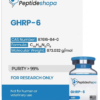
What is GHRP-6?
GHRP 6, short for Growth Hormone Releasing Peptide-6, is a synthetic peptide compound that has gained significant attention in the research and fitness communities. This hexapeptide (six amino acid chain) is classified as a growth hormone secretagogue, meaning it stimulates the release of growth hormone from the anterior pituitary gland.
GHRP 6 was first synthesized in the 1980s and has since become one of the most studied peptides in modern research. The compound was developed to investigate mechanisms of growth hormone secretion and has applications in various research contexts.
Key Characteristics of GHRP 6:
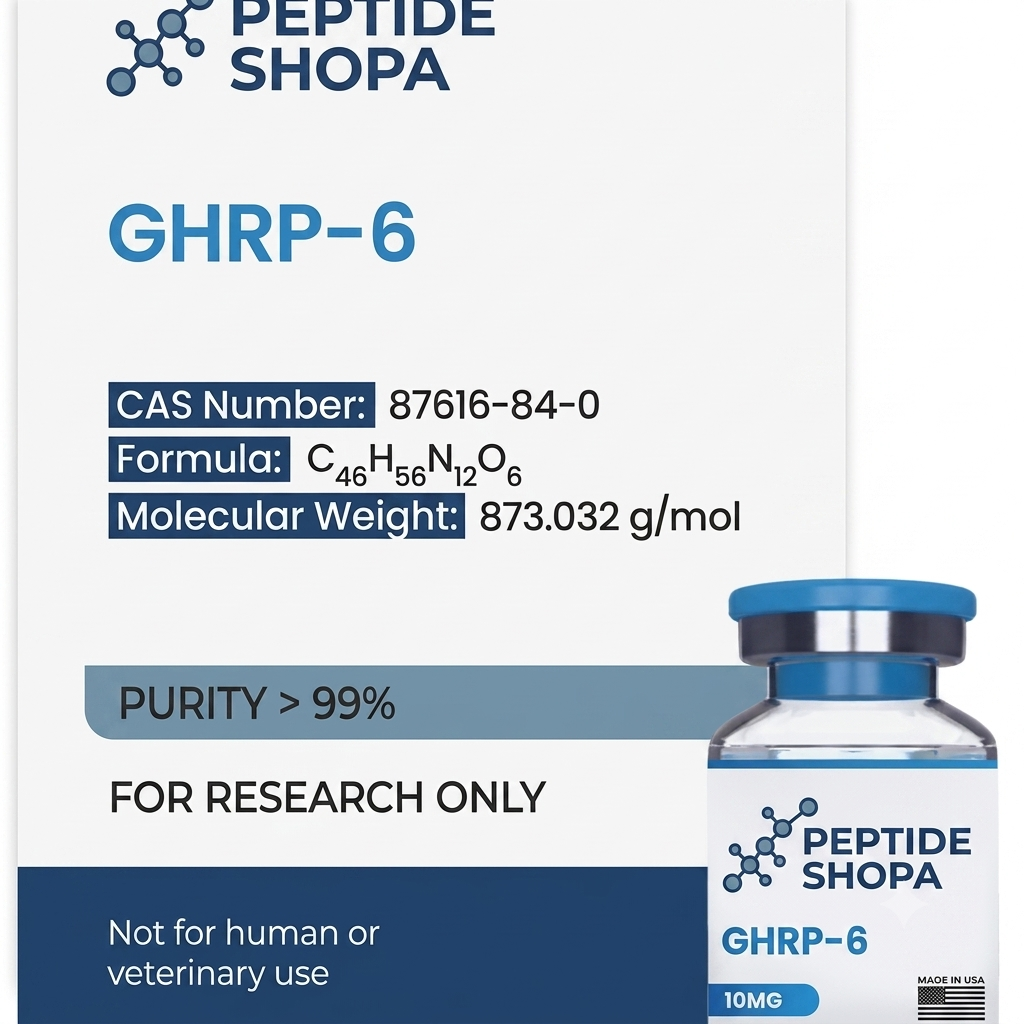
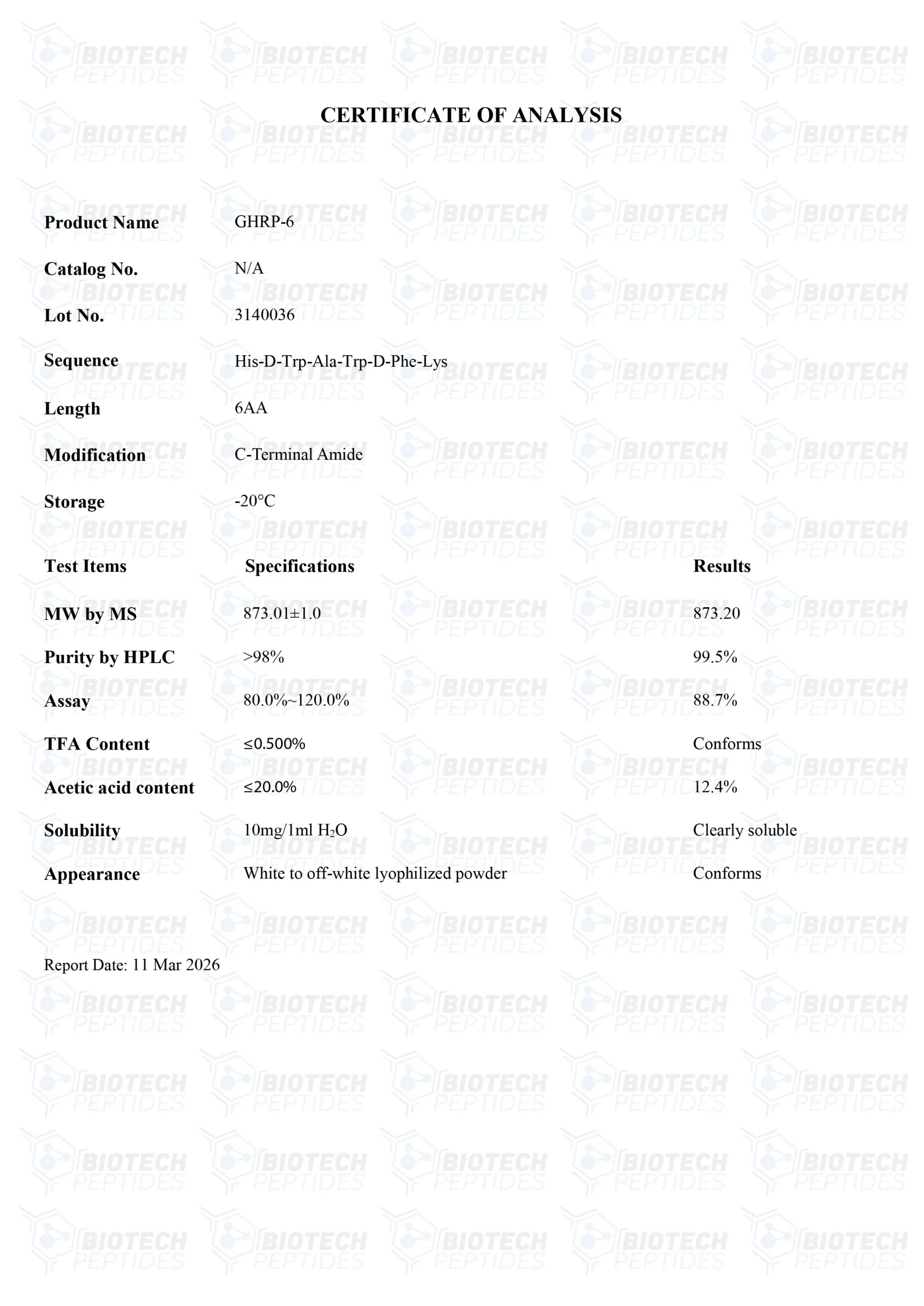
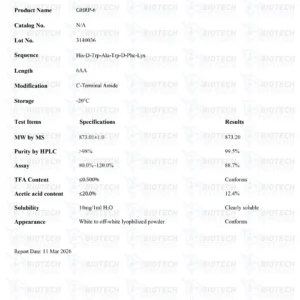
- Molecular Formula: C46H56N12O6
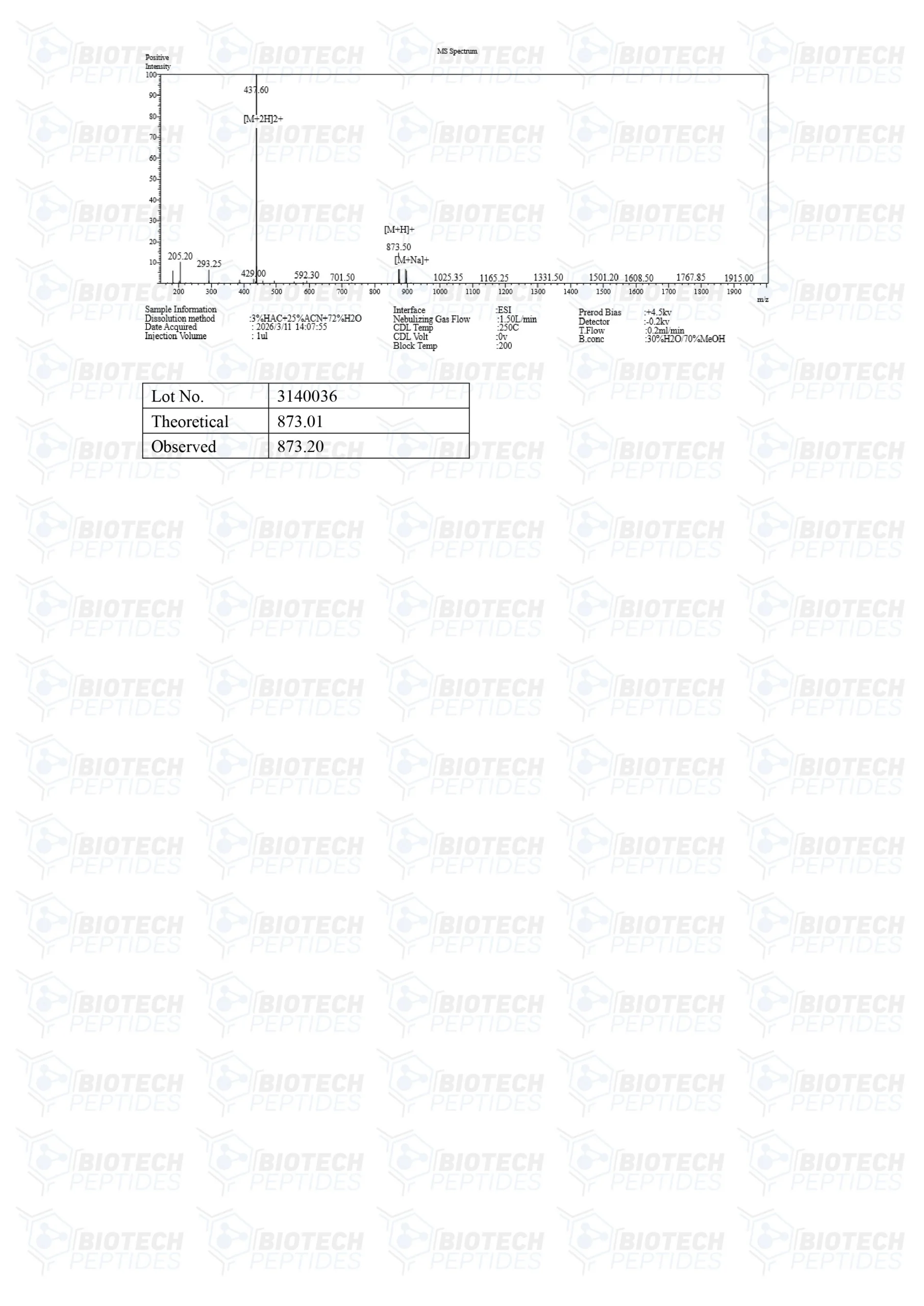
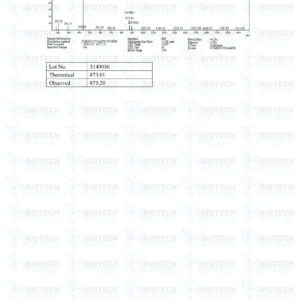
- Molecular Weight: 873.01 g/mol
- Amino Acid Sequence: His-D-2-methyl-Trp-Ala-Trp-D-Phe-Lys-NH2
- Classification: Growth Hormone Secretagogue
- Research Status: Extensively studied compound
How GHRP-6 Works: Mechanism of Action
GHRP-6 operates through a distinct physiological mechanism that sets it apart from other compounds in its class. Understanding how GHRP-6 functions is essential for anyone considering its use in research protocols.
The GHS Receptor Pathway
GHRP-6 works by binding to specific GHS receptors (Growth Hormone Secretagogue receptors) located on somatotroph cells in the anterior pituitary gland. This binding triggers a cascade of cellular events:
- Receptor Activation: GHRP-6 binds to the GHS-R1a receptor
- Signal Transduction: This activates intracellular signaling pathways
- Hormone Release: Growth hormone is synthesized and released into circulation
- Physiological Response: GH stimulates various metabolic and anabolic processes
Synergy with GHRH
One of the most important aspects of GHRP 6 is its synergistic relationship with GHRH (Growth Hormone Releasing Hormone). When used together, these compounds show a potentiating effect, meaning their combined impact on growth hormone release is greater than the sum of their individual effects. This synergy is particularly valuable in research applications.
Timeline of Effects
- Onset: 15-30 minutes after administration
- Peak Levels: 30-60 minutes
- Half-Life: Approximately 30-40 minutes
- Total Duration: 2-3 hours
GHRP-6 Acetate: Formulation and Properties
When researching GHRP-6 products, you’ll frequently encounter GHRP 6 acetate, which is the most common pharmaceutical form of this peptide.
What is GHRP 6 Acetate?
GHRP-6 acetate is the acetate salt form of the GHRP-6 peptide. The acetate component is added during synthesis to stabilize the peptide and improve its shelf life and bioavailability. This formulation is preferred in research because it offers several advantages:
Advantages of the Acetate Form:
- Enhanced Stability: The acetate salt increases the compound’s stability at room temperature and during storage
- Improved Bioavailability: Better absorption rates compared to the free peptide
- Consistent Potency: Maintains pharmaceutical-grade quality standards
- Longer Shelf Life: Can be stored longer while maintaining effectiveness
- Standard Form: Most research suppliers and laboratories use the acetate form
Purity Standards
When you buy GHRP-6 acetate, quality suppliers typically provide:
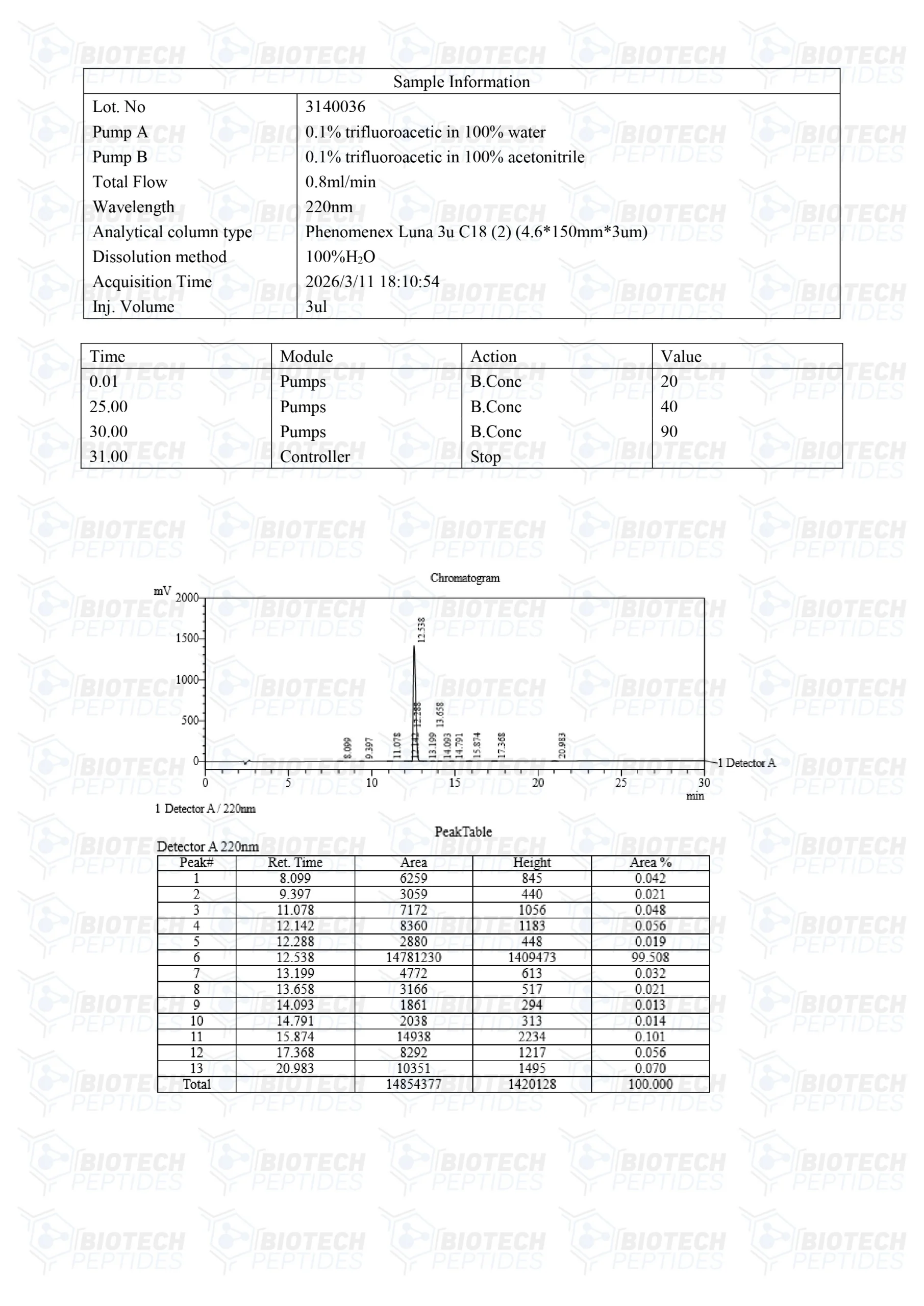
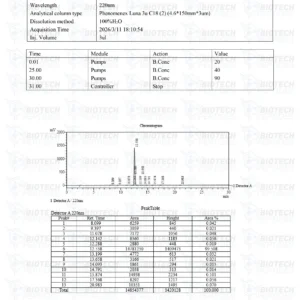
- Minimum Purity: 95-99%
- Certificates of Analysis: Third-party testing verification
- Proper Storage: Freeze-dried lyophilized powder
- Sealed Sterile Vials: For contamination prevention
Storage Requirements
GHRP-6 acetate should be stored:
- In a cool, dark place (2-8°C is optimal)
- In original sealed containers
- Protected from moisture and light
- Away from extreme temperature fluctuations
GHRP-6 Dosage Guidelines and Protocols
Understanding proper GHRP 6 dosage is crucial for anyone conducting research with this compound. Dosage requirements vary based on application and individual factors.
Standard GHRP 6 Dosage Protocols
Research Laboratory Applications:
- Typical Range: 1-2 mcg/kg of body weight
- Administration: Subcutaneous or intravenous injection
- Frequency: Usually once daily or multiple times daily depending on protocol
- Cycle Duration: 8-16 weeks typical research cycles
Common GHRP-6 Dosage Examples:
For a 200 lbs (90 kg) subject:
- Minimum dose: 90 mcg (1 mcg/kg)
- Standard dose: 180 mcg (2 mcg/kg)
- Research range: 100-300 mcg per injection
For a 250 lbs (113 kg) subject:
- Minimum dose: 113 mcg
- Standard dose: 226 mcg
- Research range: 150-400 mcg per injection
Dosing Frequency Variations
Single Daily Administration:
- One injection per day
- Typical dose: 100-200 mcg
- Best for: Maintenance protocols
Twice Daily Administration:
- Morning and evening injections
- Typical dose: 100 mcg each
- Best for: Maximum stimulation protocols
Multiple Daily Dosing:
- Three or more injections daily
- Typical dose: 50-100 mcg each
- Best for: Peak GH research protocols
Factors Affecting GHRP 6 Dosage
- Body Weight: Heavier individuals typically require higher doses
- Research Objectives: Goals determine optimal frequency
- Individual Sensitivity: Some subjects respond better to lower doses
- Stacking Protocols: Dosage may be reduced when combined with GHRH
- Duration of Use: Longer protocols may require dose adjustments
Important GHRP 6 Dosage Considerations
- Start Low: Begin with lower doses to assess tolerance
- Individual Variation: Response varies between individuals
- Consistency: Maintain consistent timing for research accuracy
- Documentation: Record all doses and responses carefully
- Professional Guidance: Always consult with qualified professionals
GHRP-2 vs GHRP-6: Comprehensive Comparison
Both GHRP-2 and GHRP-6 are hexapeptides in the growth hormone secretagogue class, but they have important differences that affect their research applications.
GHRP-2 vs GHRP-6: Structural Differences
| Feature | GHRP-2 | GHRP-6 |
|---|---|---|
| Amino Acid Sequence | His-D-2-methyl-Phe-Ala-Trp-D-Phe-Lys-NH2 | His-D-2-methyl-Trp-Ala-Trp-D-Phe-Lys-NH2 |
| Potency | High (2-3 fold more potent) | Standard reference |
| GH Release | 7-15 fold increase | 6-15 fold increase |
| Appetite Stimulation | Significant | Minimal to moderate |
| Cortisol Impact | May increase | Minimal |
GHRP-2 vs GHRP-6: Functional Differences
Growth Hormone Release
- GHRP-2: Generally produces more pronounced GH stimulation
- GHRP-6: Produces consistent, reliable GH elevation
Appetite Effects
- GHRP-2: Strong ghrelin-mimetic properties; significant appetite stimulation
- GHRP-6: Minimal appetite stimulation compared to GHRP-2
Cortisol Suppression
- GHRP-2: May not suppress cortisol as effectively
- GHRP-6: Better cortisol suppression in some protocols
Prolactin Levels
- GHRP-2: Minor prolactin elevation
- GHRP-6: Minimal prolactin impact
GHRP-2 vs GHRP-6: Which is Better?
The choice between GHRP-2 and GHRP 6 depends on specific research objectives:
Choose GHRP-6 if you need:
- Consistent, predictable GH release
- Minimal appetite stimulation
- Better cortisol management
- Reliable results across protocols
- Extended research periods
Choose GHRP-2 if you need:
- Maximized GH stimulation
- Appetite enhancement (therapeutic context)
- Shorter-term intensive protocols
- Higher potency per dose
Synergy and Combination Use
Many researchers use GHRP 2 and GHRP 6 sequentially or in rotation because:
- Different receptor affinities may prevent down-regulation
- Varied mechanisms can provide comprehensive research data
- Rotation may maintain sensitivity over extended protocols
Benefits and Research Applications of GHRP 6
GHRP-6 has been the subject of extensive scientific investigation due to its multiple physiological effects beyond simple growth hormone stimulation.
Primary Research Applications
1. Growth Hormone Secretion Studies
- Investigates GH axis function
- Studies pituitary responsiveness
- Examines age-related GH decline
- Models growth hormone deficiency
2. Metabolic Research
- Investigates effects on protein synthesis
- Studies metabolic rate changes
- Research on fat mobilization
- Examines carbohydrate metabolism
3. Aging and Longevity Research
- Age-related hormone replacement studies
- Cellular regeneration investigations
- Anti-aging protocol research
- Senescence prevention studies
4. Body Composition Studies
- Lean muscle mass research
- Fat loss investigation
- Body recomposition protocols
- Tissue repair studies
5. Orthopedic and Recovery Research
- Bone healing acceleration studies
- Joint health investigation
- Collagen synthesis research
- Recovery optimization protocols
6. Neurological Research
- Neuroprotection studies
- Cognitive function research
- Neuroendocrine investigations
- Brain aging models
Secondary Effects of Interest
Beyond GH stimulation, GHRP-6 research has identified:
- Cytoprotective Effects: Protective effects on cells
- Immune Modulation: Potential immune system effects
- Anti-inflammatory Properties: Possible inflammation reduction
- Cardiovascular Effects: Studies on heart function parameters
Where to Buy GHRP-6: Complete Buyer’s Guide
If you’re looking to buy GHRP-6 or buy GHRP 6 for research purposes, it’s essential to understand the landscape of suppliers and how to identify quality products.
Legal Status Considerations
Before you buy GHRP-6, understand that:
- United States: Not approved by FDA for human use; legal for research purposes
- International: Regulations vary by country; some countries restrict or prohibit
- Research Grade: Clearly labeled “for research purposes only”
- Responsibility: Buyer is responsible for understanding local regulations
Where to Buy GHRP-6: Types of Suppliers
1. Established Peptide Research Companies
Advantages:
- Third-party verified quality
- Certificates of Analysis (CoA)
- Professional standards
- Customer support
- Reliable shipping
What to look for:
- Transparent sourcing information
- Published quality standards
- Customer reviews and testimonials
- Professional website with contact information
- Clear policies on testing and verification
2. Pharmaceutical Research Distributors
Advantages:
- Pharmaceutical-grade purity
- Strict quality control
- Regulated processes
- Often bulk options
- Professional account management
Considerations:
- Higher minimum order quantities
- May require business documentation
- More formal processes
3. University and Laboratory Suppliers
Advantages:
- Research-grade specifications
- Institutional credibility
- Quality assurance programs
- Bulk pricing
Considerations:
- Limited retail availability
- May require institutional affiliation
- Bulk purchases required
How to Buy GHRP-6 Safely
Step 1: Verify Legitimacy
- Check company registration and credentials
- Look for business licensing information
- Research company history and reputation
- Verify physical address and contact information
Step 2: Assess Quality Standards
- Request Certificate of Analysis (CoA)
- Verify third-party testing
- Check purity percentages (95-99% standard)
- Review stability and storage data
Step 3: Confirm Product Specifications
- Verify it’s GHRP-6 acetate (standard form)
- Check molecular weight matches specifications
- Confirm lyophilized powder format
- Verify sterile, sealed packaging
Step 4: Review Pricing
- Compare per-unit costs across suppliers
- Be wary of suspiciously low prices
- Factor in shipping and handling
- Consider bulk purchase discounts
Step 5: Evaluate Customer Service
- Response time to inquiries
- Willingness to answer technical questions
- Professional communication
- Clear refund/return policies
Red Flags When Buying GHRP-6
Avoid suppliers that:
- Won’t provide Certificate of Analysis
- Claim FDA approval for human use
- Offer unrealistic pricing
- Have no verifiable business information
- Don’t list product specifications clearly
- Make medical claims or health promises
- Lack professional presentation
- Have numerous negative reviews
Payment and Shipping Considerations
Secure Payment:
- Use credit cards with buyer protection
- Avoid untraceable payment methods
- Check for secure website encryption (HTTPS)
- Verify merchant credentials
Shipping:
- Confirm discreet, professional packaging
- Track shipment information
- Verify delivery confirmation
- Check packaging integrity upon arrival
International Purchasing
If buying GHRP-6 internationally:
- Research import regulations in your country
- Understand customs requirements
- Verify shipping legality
- Check for import duty implications
- Use reputable international suppliers
Safety Considerations and Important Information
Adverse Effects Profile
While GHRP-6 is generally well-tolerated in research contexts, potential effects include:
Common Effects:
- Increased appetite
- Water retention
- Mild joint pain
- Carpal tunnel symptoms (rare)
- Numbness or tingling (rare)
Less Common Effects:
- Hormonal shifts
- Sleep disturbances
- Mood changes
- Blood pressure variations
Contraindications and Precautions
GHRP-6 research should not be conducted with:
- History of cancer or malignancy
- Uncontrolled diabetes
- Severe cardiovascular disease
- Pituitary disorders
- Pregnancy or lactation
- During acute illness
Drug Interactions
GHRP-6 may interact with:
- Somatostatin and analogs
- Certain diabetes medications
- Thyroid medications
- Corticosteroids
- Other growth hormone secretagogues
Monitoring During Research
If conducting GHRP-6 research, monitor:
- Blood glucose levels
- Insulin sensitivity
- Liver function
- Kidney function
- IGF-1 levels
- Blood pressure
- Cortisol levels
Long-term Use Considerations
Extended GHRP-6 use research shows:
- Potential desensitization over time
- Possible pituitary adaptation
- Benefits of cycling protocols
- Importance of monitoring
- Regular assessment of effectiveness
Frequently Asked Questions About GHRP-6
Q1: What does GHRP 6 stand for?
A: GHRP-6 stands for Growth Hormone Releasing Peptide-6, referring to its six amino acids and its role as a growth hormone secretagogue.
Q2: How is GHRP 6 administered?
A: GHRP-6 is typically administered via subcutaneous injection (under the skin) or intramuscular injection. Some research protocols use intravenous administration.
Q3: How quickly does GHRP-6 work?
A: GHRP-6 typically begins stimulating growth hormone release within 15-30 minutes of injection, with peak levels at 30-60 minutes.
Q4: Can you combine GHRP-6 with other peptides?
A: Yes, GHRP 6 is often combined with GHRH in research protocols to create a synergistic effect that enhances growth hormone release beyond either compound alone.
Q5: Is GHRP-6 the same as GHRP 2?
A: No. While both are hexapeptide GH secretagogues, they have different amino acid sequences and different potency profiles. GHRP-2 is more potent but may increase appetite more significantly.
Q6: How long can GHRP-6 be used?
A: Research protocols vary, but typical cycles are 8-16 weeks. Many researchers recommend cycling off periodically to maintain sensitivity to the compound.
Q7: Does GHRP-6 require reconstitution?
A: Yes, GHRP-6 acetate is typically supplied as a lyophilized (freeze-dried) powder that must be reconstituted with bacteriostatic water or similar solution before use.
Q8: What’s the difference between GHRP-6 and GHRP-6 acetate?
A: GHRP-6 is the peptide itself, while GHRP-6 acetate is the acetate salt form of GHRP 6. The acetate form is more stable and is the standard form available.
Q9: How should GHRP-6 be stored?
A: Unreconstituted GHRP-6 should be stored at 2-8°C (refrigerated) or frozen. Reconstituted solutions should be refrigerated and used within several weeks.
Q10: Is GHRP-6 approved by the FDA?
A: GHRP-6 is not approved by the FDA for human therapeutic use. It is available for research purposes only in the United States.
Q11: What results can you expect from GHRP-6?
A: Results vary by individual and protocol, but research typically shows increased growth hormone levels, potential improvements in body composition, and enhanced recovery in research settings.
Q12: How does GHRP-6 compare to sermorelin?
A: Sermorelin is a GHRH analog that stimulates natural GH production, while GHRP 6 is a GHS that has broader effects. They work through different mechanisms and are often combined for synergy.
Q13: Can women use GHRP-6?
A: Yes, GHRP-6 can be used in research protocols for both men and women. Dosing may vary based on body weight and individual response.
Q14: What is IGF-1 and how does it relate to GHRP 6?
A: IGF-1 (Insulin-like Growth Factor 1) is produced in response to growth hormone stimulation. GHRP 6 increases GH, which in turn increases IGF-1 levels, which drives many of GH’s anabolic effects.
Q15: Are there any natural alternatives to GHRP 6?
A: While no natural substance is as potent as GHRP-6, certain amino acids (arginine, glutamine, lysine) and lifestyle factors (sleep, exercise, nutrition) can naturally support GH production.
Conclusion: Your Complete GHRP 6 Resource
GHRP-6 remains one of the most studied and reliable growth hormone secretagogues available for research purposes. Whether you’re interested in understanding GHRP 6 dosage protocols, comparing GHRP 2 vs 6 options, learning about GHRP 6 acetate formulations, or finding where to safely buy GHRP-6, this comprehensive guide provides the information you need.
Key Takeaways:
- GHRP 6 is a synthetic hexapeptide that stimulates growth hormone release through GHS receptor activation
- GHRP 6 acetate is the standard form, offering enhanced stability and bioavailability
- GHRP6 dosage typically ranges from 1-2 mcg/kg body weight, with variations based on research goals
- GHRP 2 vs 6: GHRP-2 is more potent but causes more appetite stimulation; GHRP 6 offers more consistent, predictable results
- When you buy GHRP-6, prioritize third-party tested, pharmaceutical-grade suppliers
- Proper monitoring and cycling protocols maximize safety and effectiveness
Moving Forward
As research in peptide science continues to evolve, GHRP 6 remains an essential tool for scientists, researchers, and those interested in growth hormone physiology. Always conduct thorough research, consult with qualified professionals, and ensure full compliance with local regulations when working with any research peptides.
For the most current information on GHRP 6 research, consult peer-reviewed journals, established research suppliers, and qualified healthcare professionals familiar with peptide research protocols.
Additional Resources
Related Peptide Research Topics
- GHRH and GHRP Synergy Studies
- Sermorelin vs GHRP Comparison
- IGF-1 and GH Axis Research
- Peptide Reconstitution Protocols
- GH Secretagogue Mechanisms
For More Information
- Consult qualified research professionals
- Review peer-reviewed scientific literature
- Contact established research peptide suppliers
- Explore institutional research resources
Disclaimer: The products mentioned are not intended for human or animal consumption. Research chemicals are intended solely for laboratory experimentation and/or in-vitro testing. Bodily introduction of any sort is strictly prohibited by law. All purchases are limited to licensed researchers and/or qualified professionals. All information shared in this article is for educational purposes only.
References
- Cordido F, Peñalva A, Dieguez C, Casanueva FF. Massive growth hormone (GH) discharge in obese subjects after the combined administration of GH-releasing hormone and GHRP-6: evidence for a marked somatotroph secretory capability in obesity. J Clin Endocrinol Metab. 1993 Apr;76(4):819-23. doi: 10.1210/jcem.76.4.8473389. PMID: 8473389.
- Frieboes RM, Murck H, Maier P, Schier T, Holsboer F, Steiger A. Growth hormone-releasing peptide-6 stimulates sleep, growth hormone, ACTH and cortisol release in normal man. Neuroendocrinology. 1995 May;61(5):584-9. doi: 10.1159/000126883. PMID: 7617137.
- Subirós N, Pérez-Saad HM, Berlanga JA, Aldana L, García-Illera G, Gibson CL, García-Del-Barco D. Assessment of dose-effect and therapeutic time window in preclinical studies of rhEGF and GHRP-6 coadministration for stroke therapy. Neurol Res. 2016 Mar;38(3):187-95. doi: 10.1179/1743132815Y.0000000089. Epub 2016 Apr 19. PMID: 26311576.
- Frago LM, Pañeda C, Dickson SL, Hewson AK, Argente J, Chowen JA. Growth hormone (GH) and GH-releasing peptide-6 increase brain insulin-like growth factor-I expression and activate intracellular signaling pathways involved in neuroprotection. Endocrinology. 2002 Oct;143(10):4113-22. doi: 10.1210/en.2002-220261. PMID: 12239123.
- Suda Y, Kuzumaki N, Sone T, Narita M, Tanaka K, Hamada Y, Iwasawa C, Shibasaki M, Maekawa A, Matsuo M, Akamatsu W, Hattori N, Okano H, Narita M. Down-regulation of ghrelin receptors on dopaminergic neurons in the substantia nigra contributes to Parkinson’s disease-like motor dysfunction. Mol Brain. 2018 Feb 20;11(1):6. doi: 10.1186/s13041-018-0349-8. PMID: 29458391; PMCID: PMC5819262.
- Berlanga J, Cibrian D, Guevara L, Dominguez H, Alba JS, Seralena A, Guillén G, López-Mola E, López-Saura P, Rodriguez A, Perez B, Garcia D, Vispo NS. Growth-hormone-releasing peptide 6 (GHRP6) prevents oxidant cytotoxicity and reduces myocardial necrosis in a model of acute myocardial infarction. Clin Sci (Lond). 2007 Feb;112(4):241-50. doi: 10.1042/CS20060103. PMID: 16989643.
- Huang HJ, Zhu XC, Han QQ, Wang YL, Yue N, Wang J, Yu R, Li B, Wu GC, Liu Q, Yu J. Ghrelin alleviates anxiety- and depression-like behaviors induced by chronic unpredictable mild stress in rodents. Behav Brain Res. 2017 May 30;326:33-43. doi: 10.1016/j.bbr.2017.02.040. Epub 2017 Feb 27. PMID: 28245976.
- Demers, A., McNicoll, N., Febbraio, M., Servant, M., Marleau, S., Silverstein, R., & Ong, H. (2004). Identification of the growth hormone-releasing peptide binding site in CD36: a photoaffinity cross-linking study. The Biochemical journal, 382(Pt 2), 417–424. https://doi.org/10.1042/BJ20040036
- Mendoza Marí, Y., Fernández Mayola, M., Aguilera Barreto, A., García Ojalvo, A., Bermúdez Alvarez, Y., Mir Benítez, A. J., & Berlanga Acosta, J. (2016). Growth Hormone-Releasing Peptide 6 Enhances the Healing Process and Improves the Esthetic Outcome of the Wounds. Plastic surgery international, 2016, 4361702. https://doi.org/10.1155/2016/4361702
- Liu, C., Huang, J., Li, H., Yang, Z., Zeng, Y., Liu, J., Hao, Y., & Li, R. (2016). Ghrelin accelerates wound healing through GHS-R1a-mediated MAPK-NF-κB/GR signaling pathways in combined radiation and burn injury in rats. Scientific reports, 6, 27499. https://doi.org/10.1038/srep27499
- Berlanga-Acosta, J., Vázquez-Blomquist, D., Cibrián, D., Mendoza, Y., Ochagavía, M. E., Miranda, J., … & Guillén-Nieto, G. E. (2012). Growth Hormone Releasing Peptide 6 (GHRP6) reduces liver fibrosis in CCl4 chronically intoxicated rats. Biotecnología Aplicada, 29(2), 60-72.
- Berlanga-Acosta J, Abreu-Cruz A, Herrera DGB, Mendoza-Marí Y, Rodríguez-Ulloa A, García-Ojalvo A, Falcón-Cama V, Hernández-Bernal F, Beichen Q, Guillén-Nieto G. Synthetic Growth Hormone-Releasing Peptides (GHRPs): A Historical Appraisal of the Evidences Supporting Their Cytoprotective Effects. Clin Med Insights Cardiol. 2017 Mar 2;11:1179546817694558. doi: 10.1177/1179546817694558. PMID: 28469491; PMCID: PMC5392015.
- Lim, C. J., Jeon, J. E., Jeong, S. K., Yoon, S. J., Kwon, S. D., Lim, J., Park, K., Kim, D. Y., Ahn, J. K., & Kim, B. W. (2015). Growth hormone-releasing peptide-biotin conjugate stimulates myocytes differentiation through insulin-like growth factor-1 and collagen type I. BMB reports, 48(9), 501–506. https://doi.org/10.5483/bmbrep.2015.48.9.258
| Brand | Biotech Peptides |
|---|
Related products