GHRP-2 vs 6 Comparison, Dosing & Where to Buy
GHRP-6 is one of the most extensively studied growth hormone-releasing peptides in modern peptide research. Since its discovery and early characterisation, GHRP-6 has become a foundational compound in growth hormone secretagogue science, referenced in hundreds of peer-reviewed studies and widely used in preclinical research models examining muscle physiology, appetite regulation, cardioprotection, and anti-aging biology.
This comprehensive guide covers everything researchers need to know about GHRP-6: what it is, how it works, the differences between GHRP-2 vs 6, the significance of the GHRP-6 acetate salt form, how to dose and administer it correctly, and where to buy GHRP-6 from a reliable, quality-verified source.
What Is GHRP-6?
GHRP-6 (Growth Hormone Releasing Peptide-6) is a synthetic hexapeptide belonging to the growth hormone secretagogue (GHS) class of research compounds. Its amino acid sequence — His-D-Trp-Ala-Trp-D-Phe-Lys-NH₂ — was designed to mimic and amplify the activity of ghrelin, the endogenous “hunger hormone” and growth hormone stimulator produced primarily in the stomach.
GHRP-6 exerts its primary effects by binding to the growth hormone secretagogue receptor (GHS-R1a), a G-protein coupled receptor expressed densely in the hypothalamus and pituitary gland. This binding triggers a robust, pulsatile release of endogenous growth hormone (GH) from the anterior pituitary, producing a GH pulse that closely mimics the body’s natural secretion pattern.
Key Molecular Profile of GHRP-6
- Full Name: Growth Hormone Releasing Peptide-6
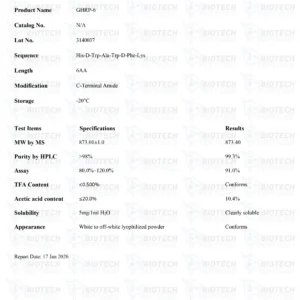
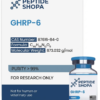
- Sequence: His-D-Trp-Ala-Trp-D-Phe-Lys-NH₂
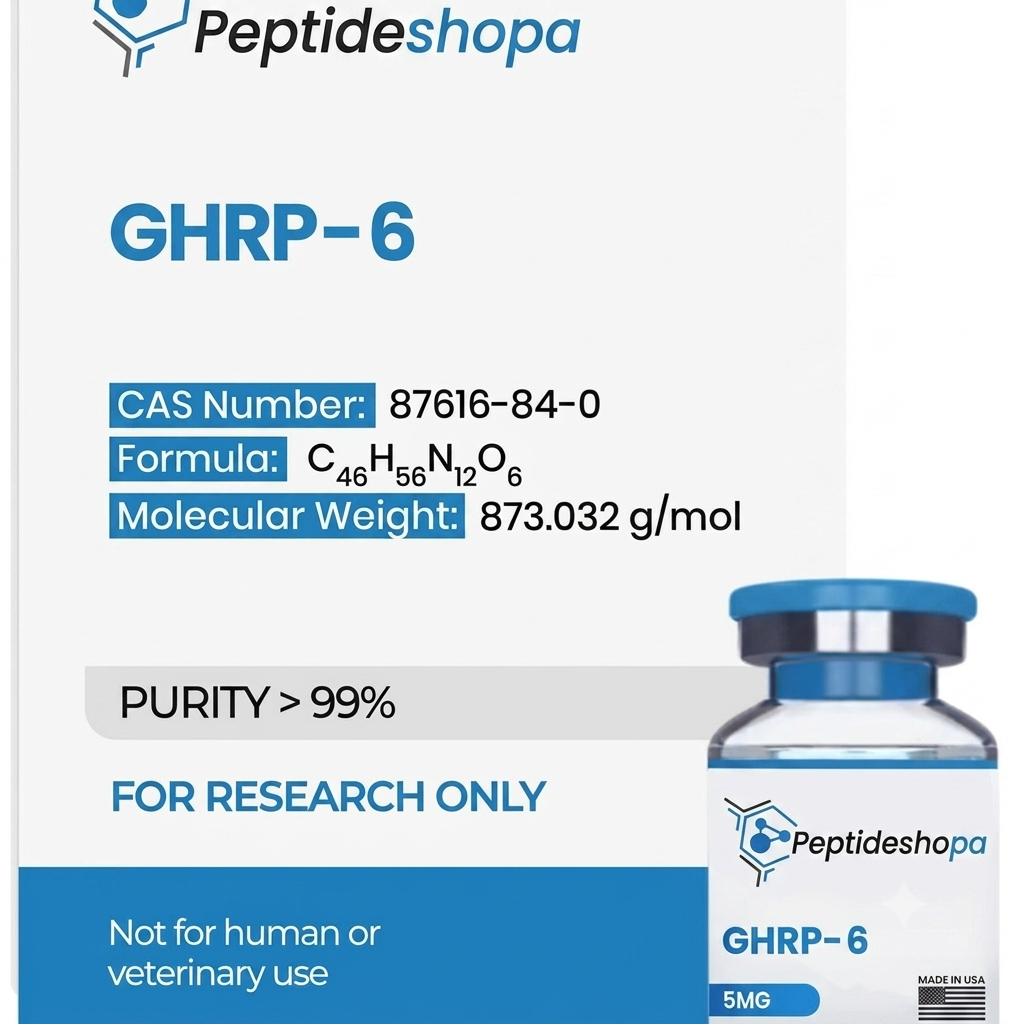
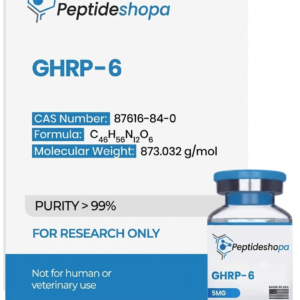
- Molecular Formula: C₄₆H₅₆N₁₂O₆
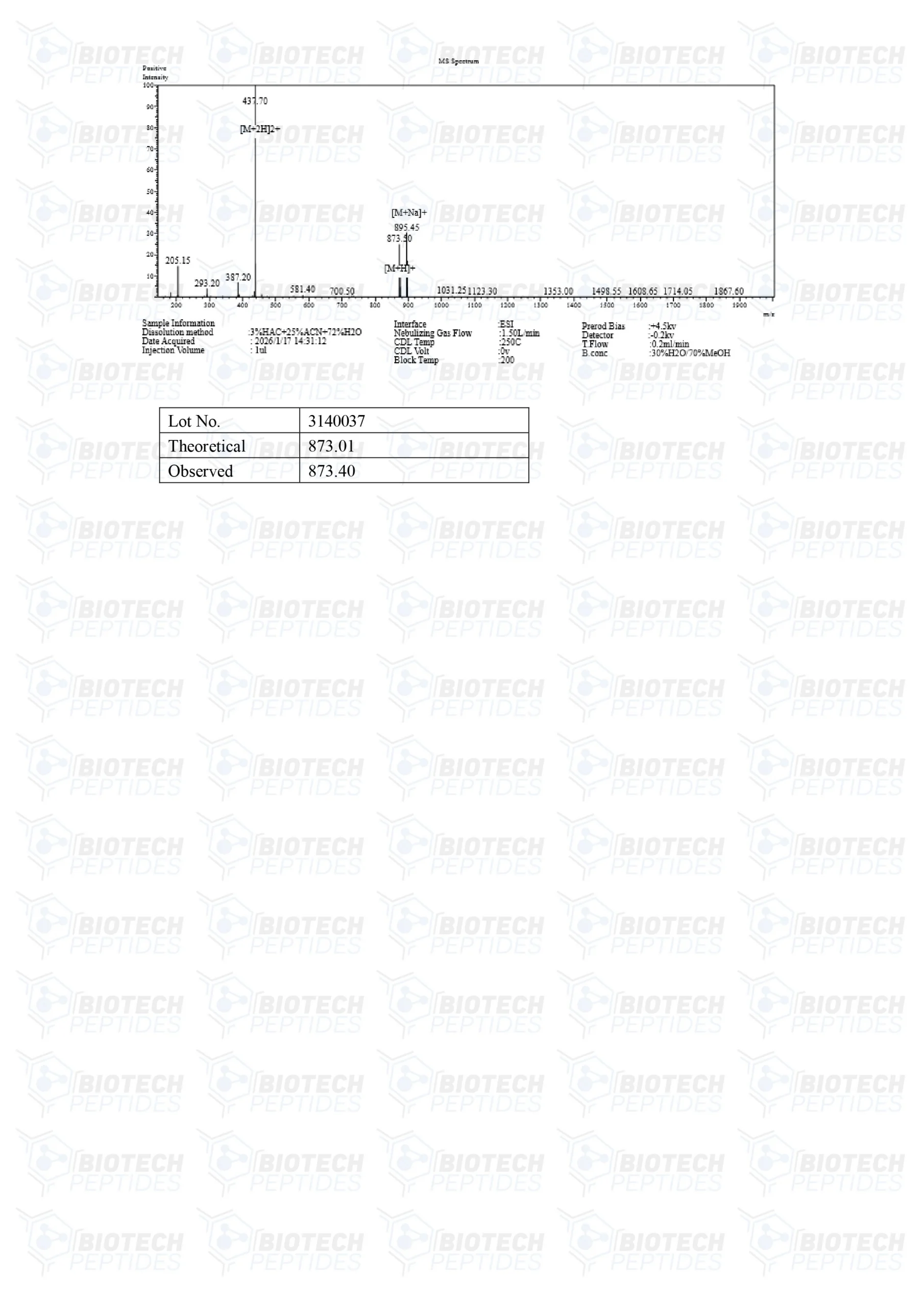
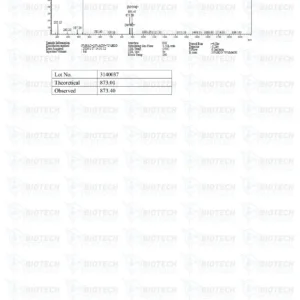
- Molecular Weight: 873.01 Da
- CAS Number: 87616-84-0
- Half-Life: Approximately 15–60 minutes (short, pulsatile action)
- Common Salt Form: GHRP-6 acetate
- Route of Administration: Subcutaneous or intramuscular injection
- Receptor Target: GHS-R1a (ghrelin receptor)
How Does GHRP-6 Work? Mechanism of Action
Understanding this peptide at the mechanistic level is essential for designing rigorous research protocols. GHRP-6 operates through two complementary pathways that together produce a pronounced and reproducible GH pulse.
GHS-R1a Receptor Activation in the Pituitary
When this peptide is administered, it binds to GHS-R1a receptors on somatotroph cells in the anterior pituitary. This activates phospholipase C (PLC), leading to inositol trisphosphate (IP3)-mediated calcium release from intracellular stores. The resulting rise in intracellular calcium directly triggers the exocytosis of pre-formed GH secretory granules, producing a rapid and significant GH pulse within minutes of administration.
Hypothalamic Modulation of GHRH
it simultaneously acts on GHS-R1a receptors in the arcuate nucleus of the hypothalamus, stimulating the release of Growth Hormone-Releasing Hormone (GHRH). This dual-site action — pituitary and hypothalamic — is what makes it particularly potent compared to compounds that act at only one site. The GHRH surge amplifies and extends the GH pulse initiated at the pituitary level.
Somatostatin Suppression
A third, often overlooked mechanism of this peptide is its ability to suppress somatostatin (SST) tone at the hypothalamus. Somatostatin is the endogenous inhibitor of GH secretion. By reducing SST activity, it removes a key brake on GH release, further amplifying the GH pulse — a synergistic effect that is strongly enhanced when it is co-administered with a GHRH analogue such as CJC-1295.
Somatostatin Suppression
A third, often overlooked mechanism of GHRP-6 is its ability to suppress somatostatin (SST) tone at the hypothalamus. Somatostatin is the endogenous inhibitor of GH secretion. By reducing SST activity, this peptide removes a key brake on GH release, further amplifying the GH pulse — a synergistic effect that is strongly enhanced when it is co-administered with a GHRH analogue such as CJC-1295.
GHRP-6 Acetate: Understanding the Salt Form
When sourcing or referencing this peptide in research documentation, you will frequently encounter the term GHRP-6 acetate. Understanding what this designation means is important for accurate research record-keeping, cross-study comparison, and quality verification.
What Is GHRP-6 Acetate?
it refers to the acetate salt form of this peptide. During peptide synthesis, free-base peptides are commonly converted to their salt forms to improve stability, solubility, and shelf-life. Acetate (CH₃COO⁻) is the most widely used counter-ion for research peptides, including GHRP-6.
The acetate salt form :
- Improves aqueous solubility, making reconstitution easier and more consistent
- Enhances chemical stability during lyophilisation and storage
- Is the standard form supplied by virtually all research peptide manufacturers worldwide
- Does not alter bioactivity — the acetate counter-ion dissociates freely in aqueous solution, leaving the active GHRP-6 peptide intact
GHRP-6 Acetate vs. GHRP-6 TFA (Trifluoroacetate)
Some peptides are supplied as trifluoroacetate (TFA) salts, a by-product of Fmoc solid-phase peptide synthesis. TFA residues at high concentrations can be cytotoxic in cell culture experiments. For this reason, GHRP-6 acetate is the preferred form for cell-based research, as TFA has been fully exchanged for the biologically inert acetate counter-ion. When reviewing Certificates of Analysis, confirming the salt form as acetate is a quality indicator that the manufacturer has taken the additional purification step.
Molecular Weight Consideration for GHRP-6 Acetate
When calculating doses for GHRP-6 acetate, note that the molecular weight of the acetate salt is slightly higher than the free base. However, for practical research dosing, this difference is negligible at standard concentrations and is accounted for by mass in commercially supplied vials.
GHRP-2 vs 6: A Detailed Comparison
The comparison of GHRP-2 vs 6 is one of the most debated topics in growth hormone secretagogue research. Both peptides act on the GHS-R1a receptor and stimulate GH release, but they differ in several important respects that make each more or less suitable depending on the research objective.
Structural Differences — GHRP-2 vs 6
| Feature | GHRP-6 | GHRP-2 |
|---|---|---|
| Amino Acids | 6 (hexapeptide) | 6 (hexapeptide) |
| Sequence | His-D-Trp-Ala-Trp-D-Phe-Lys-NH₂ | D-Ala-D-βNal-Ala-Trp-D-Phe-Lys-NH₂ |
| Molecular Weight | 873.01 Da | 817.94 Da |
| GH Release Potency | High | Very High |
| Appetite Stimulation | Strong | Moderate |
| Cortisol/Prolactin Elevation | Moderate | Lower |
| Half-Life | ~15–60 minutes | ~15–60 minutes |
GH Release Potency — GHRP-2 vs 6
In head-to-head comparisons, GHRP-2 consistently produces a larger GH pulse than it at equivalent molar doses. Studies have shown GHRP-2 to be approximately 2–3 times more potent per microgram in stimulating GH secretion. This makes GHRP-2 the preferred compound when maximal GH output is the primary research endpoint.
However, when evaluating GHRP-2 vs 6 from the perspective of side effect profile, it has a distinct advantage in several research models. the peptide produces lower elevations in cortisol and prolactin compared to GHRP-2, which is relevant in studies where glucocorticoid interference would confound results.
Appetite and Metabolic Research — GHRP-2 vs 6
A defining difference in the GHRP-2 vs 6 comparison is appetite stimulation. it is a considerably stronger orexigenic agent than GHRP-2. This property is a feature, not a flaw, in metabolic research contexts — studies examining cachexia models, appetite dysregulation, or caloric intake behaviour specifically leverage this peptide for this effect.
GHRP-2, on the other hand, is generally preferred in studies where appetite stimulation would be an unwanted confounding variable.
Cortisol and Prolactin Considerations — GHRP-2 vs 6
Both GHRP-6 and GHRP-2 can elevate cortisol and prolactin as secondary effects of GHS-R1a activation in the adrenal and pituitary axes. In the GHRP-2 vs 6 comparison, GHRP-6 tends to produce a somewhat milder cortisol and prolactin response. For research models sensitive to glucocorticoid or prolactin fluctuation, this peptide may offer a cleaner hormonal background.
Summary — When to Choose GHRP-2 vs 6
| Research Objective | Preferred Choice |
|---|---|
| Maximum GH pulse amplitude | GHRP-2 |
| Appetite / orexigenic studies | GHRP-6 |
| Minimal cortisol/prolactin interference | GHRP-6 |
| Cardioprotection research | GHRP-6 (more studied) |
| Combined GHRH protocol | Both are effective; GHRP-2 for peak GH |
| Body composition + lean mass studies | GHRP-2 or GHRP-6 (context-dependent) |
How to Dose GHRP-6: Research Protocols
Accurate dosing is fundamental to reproducible GHRP-6 research. The following dosing information is presented for scientific and educational purposes only.
Standard GHRP-6 Dosing Range
The reference dosing range for it in preclinical research models is 100–300 mcg per administration, administered 1–3 times daily depending on protocol design. Common frameworks include:
- Low-dose / baseline stimulation: 50–100 mcg once daily
- Standard research protocol: 100 mcg two to three times daily
- High-dose / maximum GH pulse studies: 200–300 mcg per injection
Reconstitution of GHRP-6 Acetate
GHRP-6 acetate is supplied as a lyophilised powder. Standard reconstitution:
- 5 mg vial + 2.5 mL bacteriostatic water (BW) = 2,000 mcg/mL (2 mcg/µL)
- 5 mg vial + 5 mL BW = 1,000 mcg/mL (1 mcg/µL)
A U-100 insulin syringe is recommended for accurate measurement at research doses.
GHRP-6 and GHRH Synergy Protocol
it is frequently paired with a GHRH analogue (e.g., CJC-1295, Mod GRF 1-29) to maximise GH pulse amplitude. The synergistic combination can produce GH pulses 8–10 times greater than either compound alone, making this a powerful tool in studies where robust, sustained GH elevation is the target endpoint.
Timing of GHRP-6 Administration
- Fasted state (morning, pre-meal): Maximises GH pulse; food — particularly high-fat or high-carbohydrate meals — blunts GH response via somatostatin stimulation
- Pre-sleep: Leverages the natural nocturnal GH surge; it amplifies endogenous pulsatility
- Post-exercise: Elevated GHS-R1a sensitivity post-training may enhance the GH response in exercise physiology research
- Minimum interval between doses: 3 hours, to allow GHS-R1a receptor recovery before re-stimulation
Administration and Injection Protocol for GHRP-6
Subcutaneous Injection (Preferred)
The standard administration route for this peptide in research settings is subcutaneous (SubQ) injection into the abdominal region, outer thigh, or deltoid area. SubQ injection provides reliable systemic absorption with minimal discomfort and is consistent with the majority of published GHRP-6 research protocols.
Intramuscular Injection
Intramuscular (IM) administration of this peptide is used in some research models and may provide a marginally faster onset due to higher local vascularity. Common IM sites include the vastus lateralis and deltoid. The GH response profile between SubQ and IM routes is broadly comparable for GHRP-6 at standard research doses.
Pre-Administration Considerations
- GHRP-6 should be administered on an empty stomach when GH pulse magnitude is a primary outcome variable (food, especially carbohydrates and fats, attenuates the GH response)
- Allow reconstituted GHRP-6 acetate solution to reach room temperature before injection to minimise discomfort
- Rotate injection sites across research sessions to maintain tissue integrity
Where to Buy GHRP-6: Quality Sourcing Guide
For researchers determining where to buy GHRP-6, product quality, purity documentation, and supplier transparency are the three pillars of responsible sourcing.
Essential Quality Criteria When You Buy GHRP-6
Independent Certificate of Analysis (CoA)
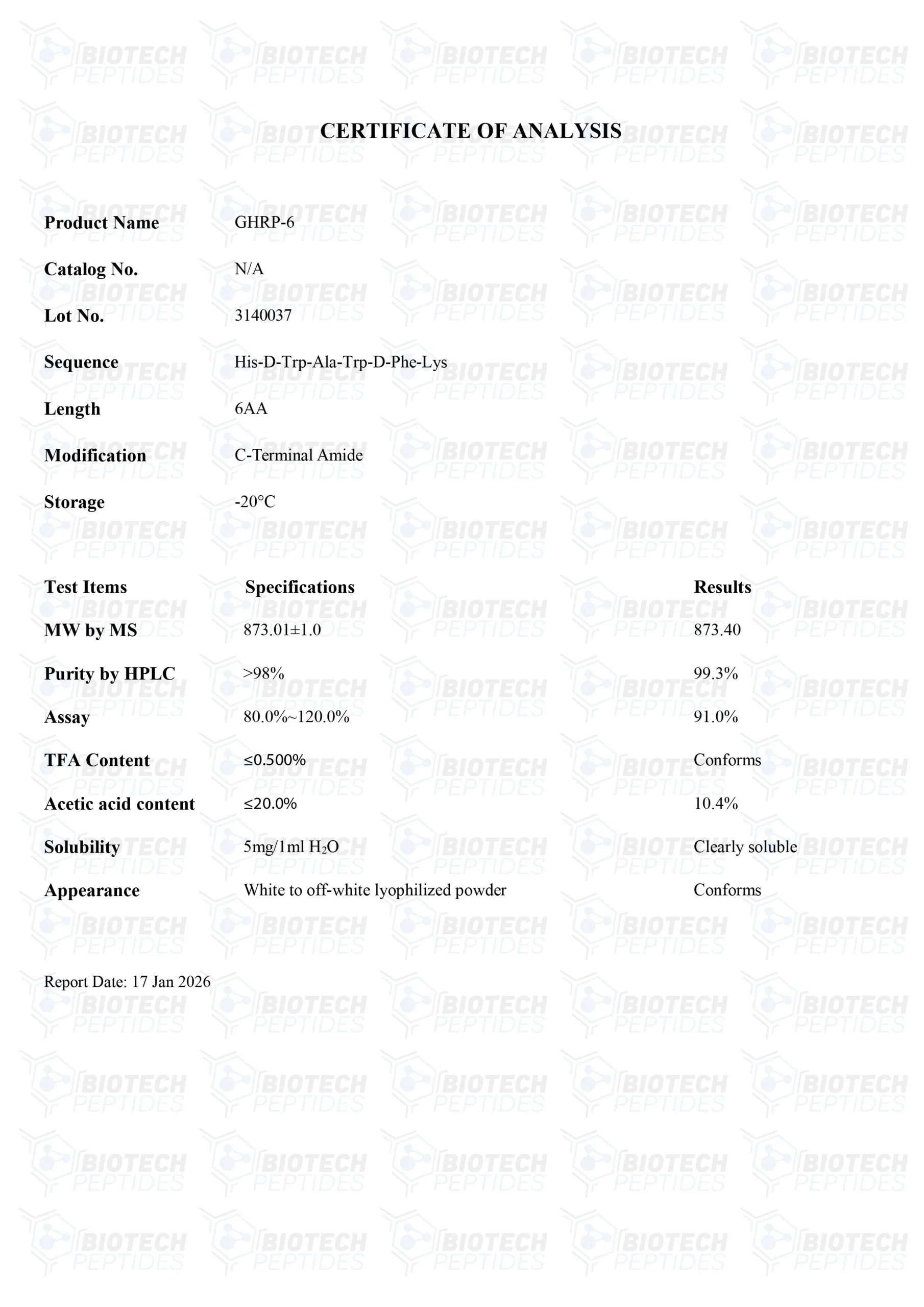
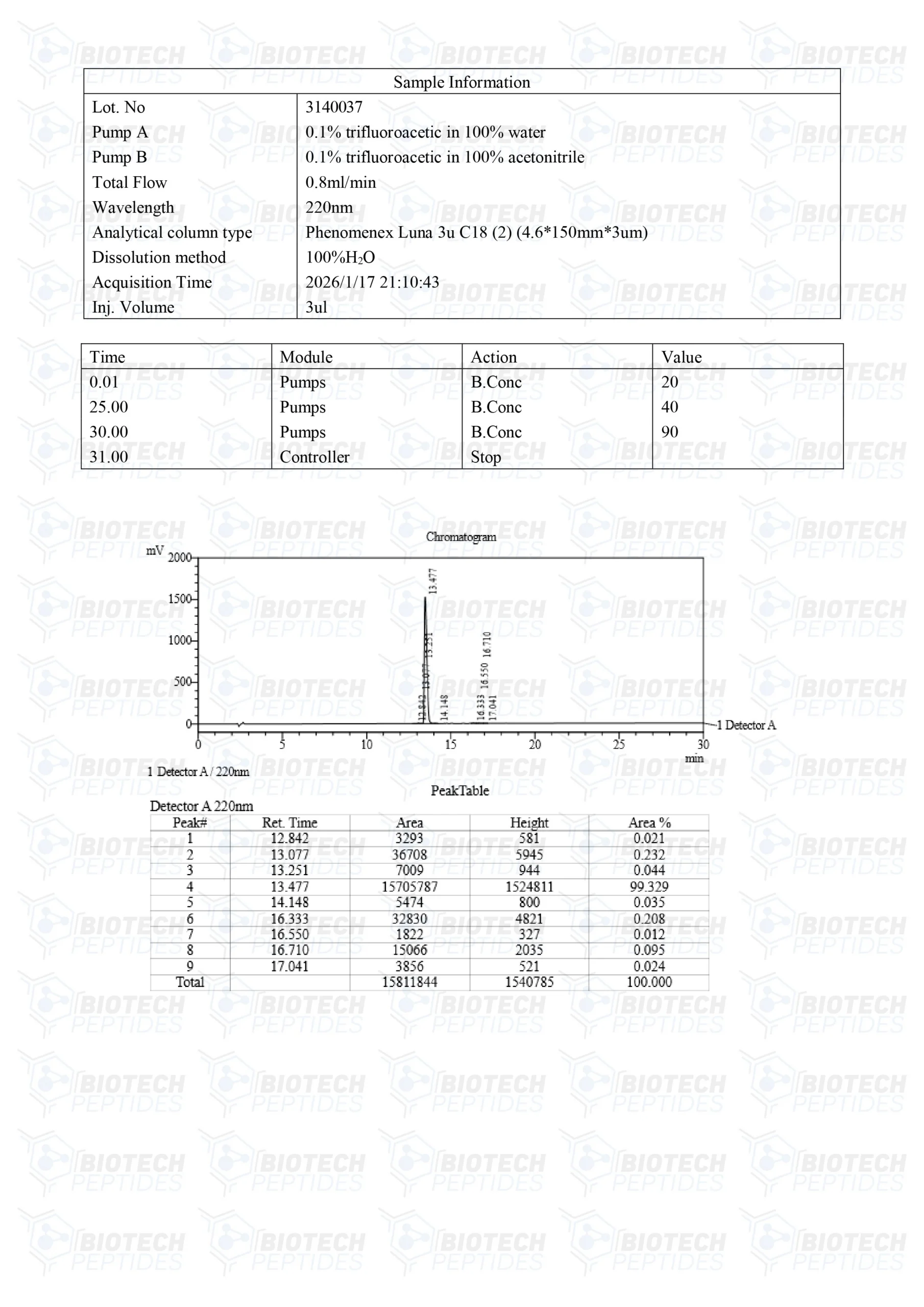
Any reputable source from which to buy GHRP-6 should provide a current, third-party Certificate of Analysis confirming:
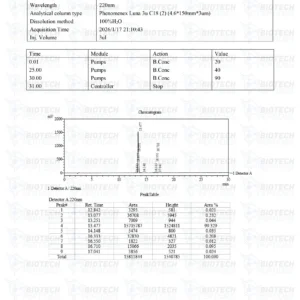
- Purity ≥98% by HPLC
- Correct molecular weight confirmed by ESI-MS or MALDI-MS
- Correct amino acid sequence verified by MS/MS fragmentation
- Endotoxin level <1 EU/mg (critical for in vivo research)
- Residual solvent testing (especially relevant for GHRP-6 acetate, where TFA exchange should be confirmed
Lyophilised Supply and Cold Chain Shipping
When you buy GHRP-6, confirm the product is supplied as a lyophilised (freeze-dried) powder, not in pre-dissolved form. Lyophilisation dramatically extends stability and minimises degradation during transit. Ensure your supplier ships with appropriate cold pack packaging for any transit exceeding 24 hours.
Transparent Manufacturer Information
Reputable suppliers of it will clearly disclose their synthesis standards, testing laboratory affiliations, and applicable research-use-only terms. Avoid vendors who cannot provide verifiable batch-specific CoAs, make therapeutic claims about GHRP-6, or offer pricing significantly below the market standard for research peptides.
Red Flags to Avoid When Choosing Where to Buy GHRP-6
- No CoA provided or CoA from an unknown, non-accredited laboratory
- Pre-dissolved liquid product with no sterility documentation
- Absence of endotoxin and residual solvent data on the CoA
- Therapeutic or clinical efficacy claims about GHRP-6 (regulatory red flag)
- No clearly stated research-use-only designation
Storage After You Buy GHRP-6
Proper storage protects your investment in research-grade GHRP-6 acetate:
- Lyophilised powder: Store at −20°C for up to 24 months; at 2–8°C for up to 6 months
- Reconstituted solution: Store at 2–8°C; use within 3–4 weeks; do not re-freeze
- Light sensitivity: Protect from direct light; use amber vials or foil wrapping post-reconstitution
GHRP-6 Research Applications: Key Areas of Scientific Interest
Beyond growth hormone stimulation, it has attracted significant scientific interest across a wide range of research domains:
Cardioprotection Research
Multiple studies have examined GHRP-6’s direct cardioprotective effects, independent of its GH-releasing activity. it has been shown in animal models to reduce myocardial infarct size, attenuate oxidative stress in cardiac tissue, and inhibit cardiomyocyte apoptosis — effects mediated in part through CD36 receptor interactions and anti-inflammatory signalling pathways.
Anti-Fibrotic and Wound Healing Research
GHRP-6 has demonstrated promising anti-fibrotic activity in preclinical models. Research suggests it may suppress TGF-β1-driven fibroblast activation, reducing pathological scarring. This has generated interest in wound healing, burn injury recovery, and organ fibrosis research models.
Neuroprotection and Cognitive Research
GHS-R1a receptors are expressed throughout the central nervous system. it has been studied for potential neuroprotective effects in models of ischaemia, neuroinflammation, and oxidative stress-induced neuronal death, making it a compound of growing interest in neuroscience research.
Muscle Wasting and Cachexia Models
Given its potent appetite-stimulating and GH-releasing properties, it is a valuable tool in research examining muscle-wasting conditions including cancer cachexia, sarcopenia, and HIV-associated wasting. Its dual action on appetite and anabolic hormone secretion makes it uniquely positioned for these research applications.
Frequently Asked Questions About GHRP-6
What is the difference between GHRP-2 vs 6?
In the GHRP-2 vs 6 comparison it produces a higher GH pulse amplitude and causes less appetite stimulation, while GHRP-6 is a stronger orexigenic agent with a slightly milder cortisol and prolactin response. The choice between GHRP-2 vs 6 depends entirely on the research objective.
What is the difference between GHRP-2 vs 6?
In the GHRP-2 vs 6 comparison, it produces a higher GH pulse amplitude and causes less appetite stimulation, while GHRP-6 is a stronger orexigenic agent with a slightly milder cortisol and prolactin response. The choice between GHRP-2 vs 6 depends entirely on the research objective.
Where should I buy GHRP-6 for research?
When deciding where to buy GHRP-6, always prioritise suppliers who provide third-party HPLC and mass spectrometry certificates of analysis, confirm endotoxin testing, ship lyophilised product with cold chain protection, and clearly designate their products for research use only.
Can GHRP-6 be combined with other peptides?
Yes. In research settings, it is commonly co-administered with GHRH analogues (CJC-1295, Mod GRF 1-29) to maximise GH pulse amplitude through synergistic action. it is also studied in combination with IGF-1 analogues in muscle physiology research models.
How should GHRP-6 be stored after purchase?
After you buy GHRP-6, store the lyophilised powder at −20°C in a dry, light-protected environment. Once reconstituted with bacteriostatic water, store the solution at 2–8°C and use within 3–4 weeks.
Conclusion: GHRP-6 as a Research Cornerstone
it remains one of the most versatile and well-characterised growth hormone secretagogues available to the research community. Its established mechanism of action at GHS-R1a, its distinguishable profile in the GHRP-2 vs 6 comparison, the stability and quality advantages of the GHRP-6 acetate salt form, and the wide range of biological systems it influences make it an invaluable tool across disciplines from endocrinology to cardiology to metabolic science.
For any researcher looking to buy GHRP-6, the priority must always be sourcing from a verified supplier who provides complete, independently verified analytical documentation. Quality-controlled GHRP-6 acetate from a transparent, reputable vendor is the foundation of reproducible, publication-quality research.
Disclaimer: The products mentioned are not intended for human or animal consumption. Research chemicals are intended solely for laboratory experimentation and/or in-vitro testing. Bodily introduction of any sort is strictly prohibited by law. All purchases are limited to licensed researchers and/or qualified professionals. All information shared in this article is for educational purposes only.
References
- Mousseaux D, Le Gallic L, Ryan J, Oiry C, Gagne D, Fehrentz JA, Galleyrand JC, Martinez J. Regulation of ERK1/2 activity by ghrelin-activated growth hormone secretagogue receptor 1A involves a PLC/PKCvarepsilon pathway. Br J Pharmacol. 2006 Jun;148(3):350-65. doi: 10.1038/sj.bjp.0706727. PMID: 16582936; PMCID: PMC1751558.
- Cordido F, Peñalva A, Dieguez C, Casanueva FF. Massive growth hormone (GH) discharge in obese subjects after the combined administration of GH-releasing hormone and GHRP-6: evidence for a marked somatotroph secretory capability in obesity. J Clin Endocrinol Metab. 1993 Apr;76(4):819-23. doi: 10.1210/jcem.76.4.8473389. PMID: 8473389.
- Frieboes RM, Murck H, Maier P, Schier T, Holsboer F, Steiger A. Growth hormone-releasing peptide-6 stimulates sleep, growth hormone, ACTH and cortisol release in normal man. Neuroendocrinology. 1995 May;61(5):584-9. doi: 10.1159/000126883. PMID: 7617137.
- Demers, A., McNicoll, N., Febbraio, M., Servant, M., Marleau, S., Silverstein, R., & Ong, H. (2004). Identification of the growth hormone-releasing peptide binding site in CD36: a photoaffinity cross-linking study. The Biochemical journal, 382(Pt 2), 417–424. https://doi.org/10.1042/BJ20040036
- Suda, Y., Kuzumaki, N., Sone, T., Narita, M., Tanaka, K., Hamada, Y., Iwasawa, C., Shibasaki, M., Maekawa, A., Matsuo, M., Akamatsu, W., Hattori, N., Okano, H., & Narita, M. (2018). Down-regulation of ghrelin receptors on dopaminergic neurons in the substantia nigra contributes to Parkinson’s disease-like motor dysfunction. Molecular brain, 11(1), 6. https://doi.org/10.1186/s13041-018-0349-8
- Subirós, N., Pérez-Saad, H. M., Berlanga, J. A., Aldana, L., García-Illera, G., Gibson, C. L., & García-Del-Barco, D. (2016). Assessment of dose-effect and therapeutic time window in preclinical studies of rhEGF and GHRP-6 coadministration for stroke therapy. Neurological research, 38(3), 187–195. https://doi.org/10.1179/1743132815Y.0000000089
- Huang, C. C., Chou, D., Yeh, C. M., & Hsu, K. S. (2016). Acute food deprivation enhances fear extinction but inhibits long-term depression in the lateral amygdala via ghrelin signaling. Neuropharmacology, 101, 36–45. https://doi.org/10.1016/j.neuropharm.2015.09.018
- Berlanga, J., Cibrian, D., Guevara, L., Dominguez, H., Alba, J. S., Seralena, A., Guillén, G., López-Mola, E., López-Saura, P., Rodriguez, A., Perez, B., Garcia, D., & Vispo, N. S. (2007). Growth-hormone-releasing peptide 6 (GHRP6) prevents oxidant cytotoxicity and reduces myocardial necrosis in a model of acute myocardial infarction. Clinical science (London, England : 1979), 112(4), 241–250. https://doi.org/10.1042/CS20060103
- Hyland, L., Rosenbaum, S., Edwards, A., Palacios, D., Graham, M. D., Pfaus, J. G., Woodside, B., & Abizaid, A. (2018). Central ghrelin receptor stimulation modulates sex motivation in male rats in a site dependent manner. Hormones and behavior, 97, 56–66. https://doi.org/10.1016/j.yhbeh.2017.10.012
- Huang, H. J., Chen, X. R., Han, Q. Q., Wang, J., Pilot, A., Yu, R., Liu, Q., Li, B., Wu, G. C., Wang, Y. Q., & Yu, J. (2019). The protective effects of Ghrelin/GHSR on hippocampal neurogenesis in CUMS mice. Neuropharmacology, 155, 31–43. https://doi.org/10.1016/j.neuropharm.2019.05.013
- Mendoza Marí, Y., Fernández Mayola, M., Aguilera Barreto, A., García Ojalvo, A., Bermúdez Alvarez, Y., Mir Benítez, A. J., & Berlanga Acosta, J. (2016). Growth Hormone-Releasing Peptide 6 Enhances the Healing Process and Improves the Esthetic Outcome of the Wounds. Plastic surgery international, 2016, 4361702. https://doi.org/10.1155/2016/4361702
- Fernández-Mayola, M., Betancourt, L., Molina-Kautzman, A., Palomares, S., Mendoza-Marí, Y., Ugarte-Moreno, D., Aguilera-Barreto, A., Bermúdez-Álvarez, Y., Besada, V., González, L. J., García-Ojalvo, A., Mir-Benítez, A. J., Urquiza-Rodríguez, A., & Berlanga-Acosta, J. (2018). Growth hormone-releasing peptide 6 prevents cutaneous hypertrophic scarring: early mechanistic data from a proteome study. International wound journal, 15(4), 538–546. https://doi.org/10.1111/iwj.12895
- Berlanga-Acosta, J., Vázquez-Blomquist, D., Cibrián, D., Mendoza, Y., Ochagavía, M. E., Miranda, J., … & Guillén-Nieto, G. E. (2012). Growth Hormone Releasing Peptide 6 (GHRP6) reduces liver fibrosis in CCl4 chronically intoxicated rats. Biotecnología Aplicada, 29(2), 60-72.
- Frago LM, Pañeda C, Dickson SL, Hewson AK, Argente J, Chowen JA. Growth hormone (GH) and GH-releasing peptide-6 increase brain insulin-like growth factor-I expression and activate intracellular signaling pathways involved in neuroprotection. Endocrinology. 2002 Oct;143(10):4113-22. doi: 10.1210/en.2002-220261. PMID: 12239123.
| Brand | Biotech Peptides |
|---|
Related products