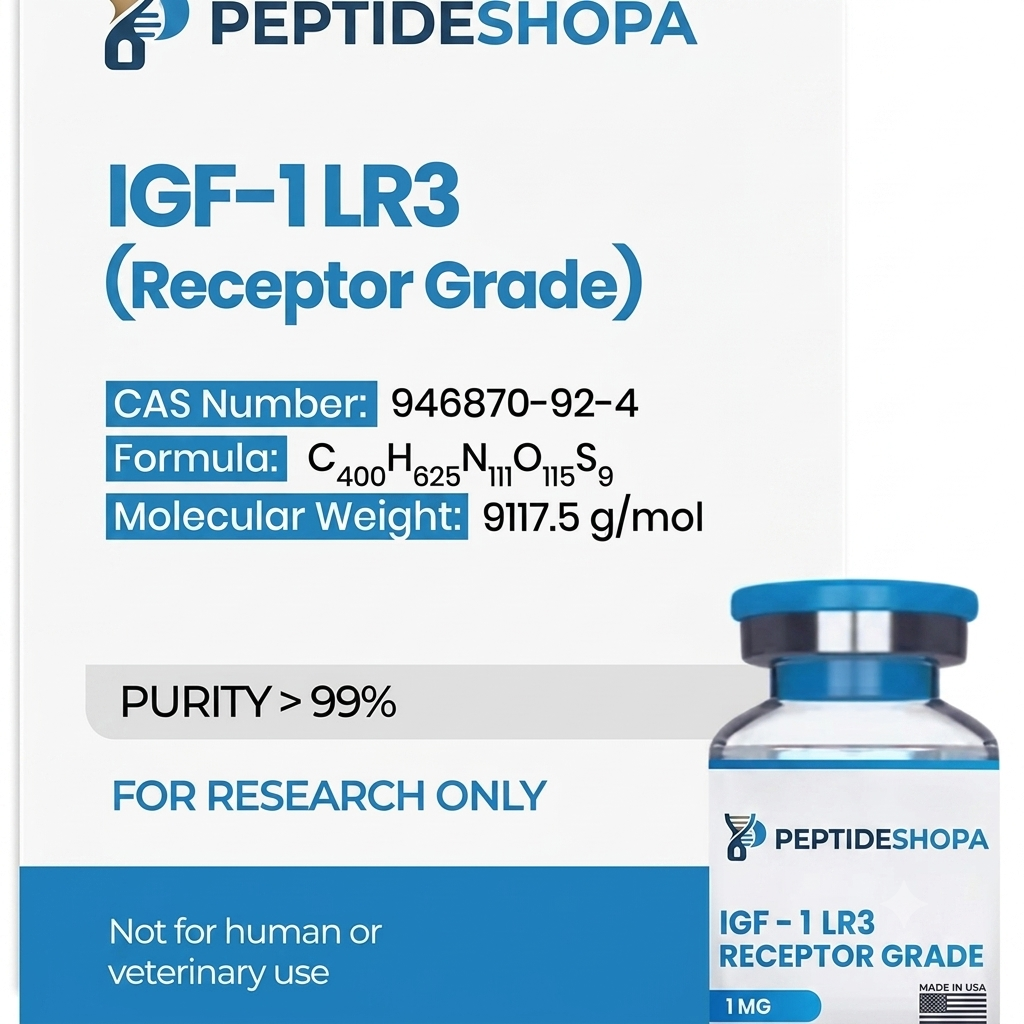
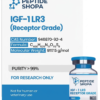
Receptor Grade IGF-1 LR3 (1mg)
$145.00
Receptor Grade IGF-1 LR3 Peptide: The Complete Guide to Dosing, Timing, and Safe Use
Receptor Grade Peptide has emerged as one of the most sought-after research peptides in the world of performance science and cellular biology. Whether you are a researcher, a seasoned athlete, or simply someone curious about advanced peptide protocols, this comprehensive guide will walk you through everything you need to know — from what Receptor Grade peptide is, to how to dose the peptide, when to takeit, where to inject IGF-1 LR3, and where to buy peptide from a verified source.
What Is Receptor Grade IGF-1 LR3 Peptide?
Key Characteristics of Receptor Grade IGF-1 LR3
How Does Receptor Grade IGF-1 LR3 Work?
Activation of PI3K/Akt/mTOR Pathway
The PI3K/Akt/mTOR pathway is like the road for building muscle. this peptide works on mTORC1, which then helps make proteins keeps nitrogen in the muscles and helps satellite cells grow. These cells are important, for muscle growth and fixing damage.
The PI3K/Akt/mTOR axis helps muscles grow and repair.
Receptor Grade activates mTORC1.
This helps make protein keeps nitrogen and satellite cells work well.
These cells help muscles get bigger and heal.
MAPK/ERK Pathway and Cellular Proliferation
The MAPK/ERK pathway is really important for cell cycle progression. When the MAPK/ERK pathway is activated by Receptor Grade IGF-1 LR3 it helps cells to grow and change, which is very useful in research about regrowing tissues healing wounds and keeping people young. The MAPK/ERK pathway plays a role in these areas of research like tissue regeneration, wound healing and anti-aging science because it helps the MAPK/ERK pathway to do its job, which is to help cells grow and change and this is very important, for the MAPK/ERK pathway to work properly.
Inhibition of Apoptosis
The Receptor Grade Peptide is really good at helping cells. It does this by making more of a protein called Bcl-2 and stopping another thing called caspase-3 from working. This is very important for people who study how to help our bodies fix themselves and for people who study the brain and nervous system. The Receptor Grade IGF-1 LR3 Peptide is very useful for these people because it can help them learn more about how to fix damaged cells and make ones. The Receptor Grade IGF-1 LR3 Peptide is something that people who do medicine and neuroscience research are very interested, in.
How to Dose IGF-1 LR3: Protocols and Guidelines
One common question researchers have is how to give IGF-1 LR3 the right dose.
It really depends on what kind of research you’re doing, who your test subjects are and what you want to achieve.
Here is some information on dosing IGF-1 LR3 for research and learning purposes only.
The dosing of IGF-1 LR3 is crucial, in research.
IGF-1 LR3 dosing can vary.
It is used in research contexts.
The goal of the peptide research affects dosing.
Subject characteristics influence IGF-1 LR3 dosing.
IGF-1 LR3 is dosed differently in protocols.
Standard Research Dosing Range
The usual dose range for IGF-1 LR3 in research settings is between 20 and 120 micrograms per day.
Most research protocols use the following doses:
* Low dose for beginners: 20 to 40 micrograms per day
* Medium dose: 50 to 80 micrograms per day
* High dose for research: 80 to 120 micrograms per day
IGF-1 LR3 dosing is often categorized into these three groups. A dose of 20 micrograms per day is used by some researchers. IGF-1 LR3 is used in doses up to 120 micrograms per day. The IGF-1 LR3 dose range of 50 to 80 micrograms, per day is commonly used.
Cycle Length for IGF-1 LR3
Reconstitution and Measurement
Receptor Grade Peptide is typically supplied as a lyophilized powder. For accurate dosing, it should be reconstituted with bacteriostatic water (BW) according to the following general guideline:
- 1 mg vial + 2 mL BW = 500 mcg/mL (0.5 mcg/µL)
- 1 mg vial + 1 mL BW = 1,000 mcg/mL (1.0 mcg/µL)
Always use a calibrated insulin syringe (U-100) to ensure measurement precision when working with Receptor Grade IGF-1 LR3 Peptide.
When to Take IGF-1 LR3: Timing Strategies
Knowing when to take IGF-1 LR3 is equally as important as knowing the dose. The long half-life of Receptor Grade IGF-1 LR3 (20–30 hours) means that single daily administration is sufficient to maintain systemic activity. However, timing relative to physiological events can modulate outcomes in research models.
Post-Workout Administration
Fasted State Administration
Some research protocols examine when to take IGF-1 LR3 in a fasted state (upon waking, before food). In a fasted physiological environment:
- Circulating insulin is low, potentially reducing IGF-1R competition
- Growth hormone (GH) pulse amplitude is naturally higher, synergising with exogenous peptides
- Fat oxidation pathways are primed, which may be relevant in body composition research
Once-Daily vs. Split Dosing
For most research applications involving when to take IGF LR3, once-daily administration is sufficient due to the extended half-life. Split dosing (e.g., morning and post-workout) is occasionally used in high-dose protocols but carries an increased risk of receptor desensitisation without additional benefit in most study models.
Where to Inject IGF-1 LR3: Administration Site Guide
A frequently researched topic is where to inject IGF-1 LR3. Unlike some peptides where systemic administration is preferred, IGF-1 LR3 offers flexibility in injection site selection depending on research goals.
Subcutaneous (SubQ) Injection — Preferred for Systemic Effects
The most common method for where to inject IGF-1 LR3 in research settings is subcutaneous (SubQ) injection. This involves administering the peptide into the fatty tissue layer just beneath the skin. Common subcutaneous injection sites include:
- Abdomen (2–3 inches from the navel) — easiest and most accessible
- Thigh (outer, upper quadrant)
- Deltoid region (outer arm)
SubQ administration delivers Receptor Gradepeptides into the systemic circulation with a gradual absorption profile, suitable for whole-body anabolic and metabolic studies.
Intramuscular (IM) Injection — Site-Specific Research
When studying where to inject IGF-1 LR3 for localised effects, intramuscular (IM) injection is of research interest. IGF-1 has been studied for its autocrine/paracrine localised activity in muscle tissue. IM injection sites commonly studied include:
- Vastus lateralis (outer thigh)
- Deltoid (shoulder)
- Pectoralis major (chest)
It should be noted, however, that research on truly localised it effects via IM injection remains inconclusive, and systemic distribution still occurs after IM administration.
Rotation Protocol for Injection Sites
Regardless of which site is selected when determining where to inject IGF-1 LR3, site rotation is essential to:
- Prevent lipodystrophy (localised fat atrophy)
- Reduce scar tissue accumulation
- Maintain consistent absorption kinetics across study periods
Where to Buy IGF-1 LR3: Sourcing Receptor Grade Quality
For researchers asking where to buy IGF-1 LR3, sourcing quality is paramount. The purity, stability, and authenticity of Receptor Grade Peptide directly impacts the validity of any research protocol.
What to Look For When Deciding Where to Buy IGF-1 LR3
When evaluating where to buy IGF-1 LR3, consider the following non-negotiable quality benchmarks:
Third-Party Certificate of Analysis (CoA)
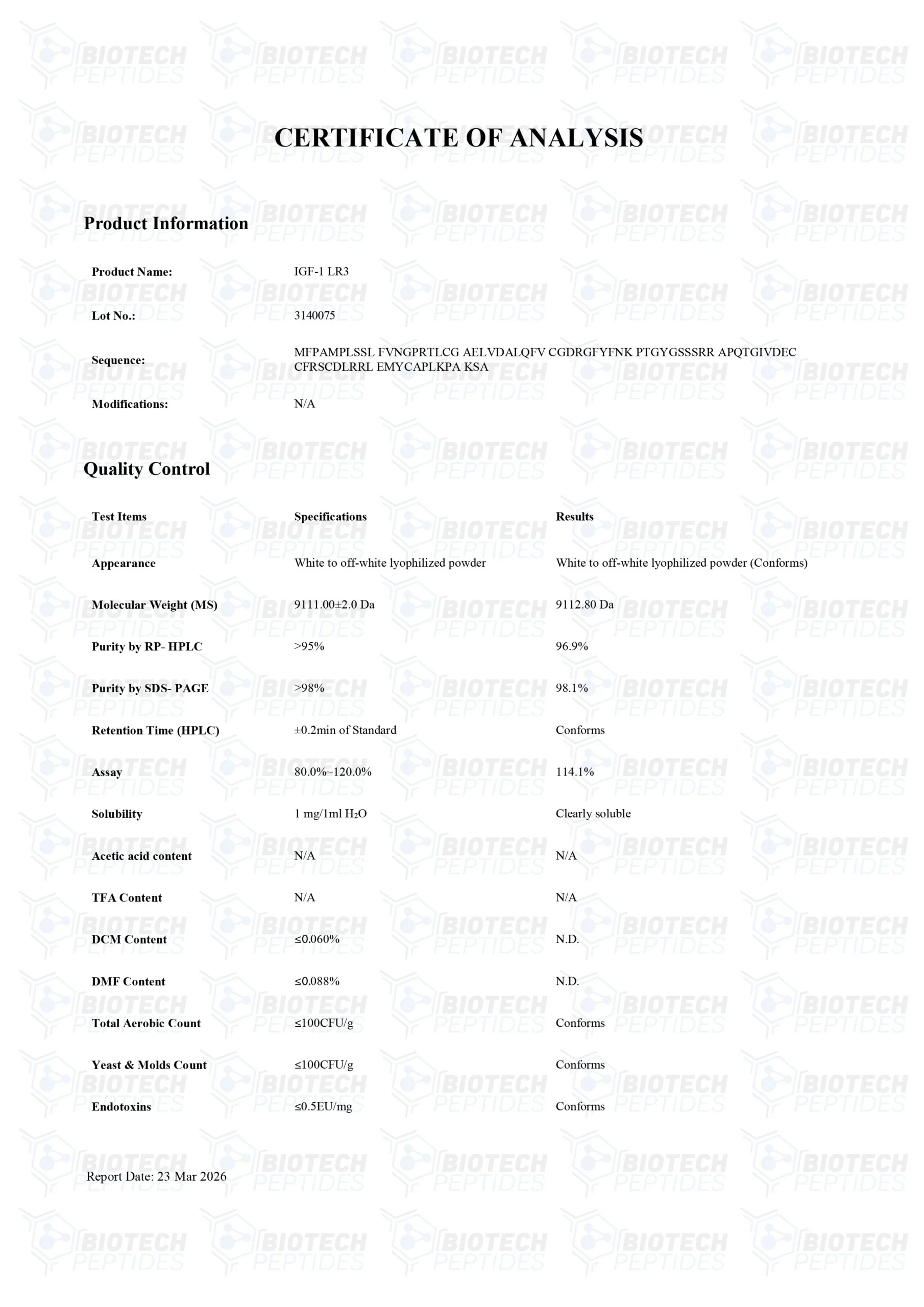
Reputable suppliers of Receptor Grade Peptide provide a Certificate of Analysis from an independent, accredited laboratory. The CoA should confirm:
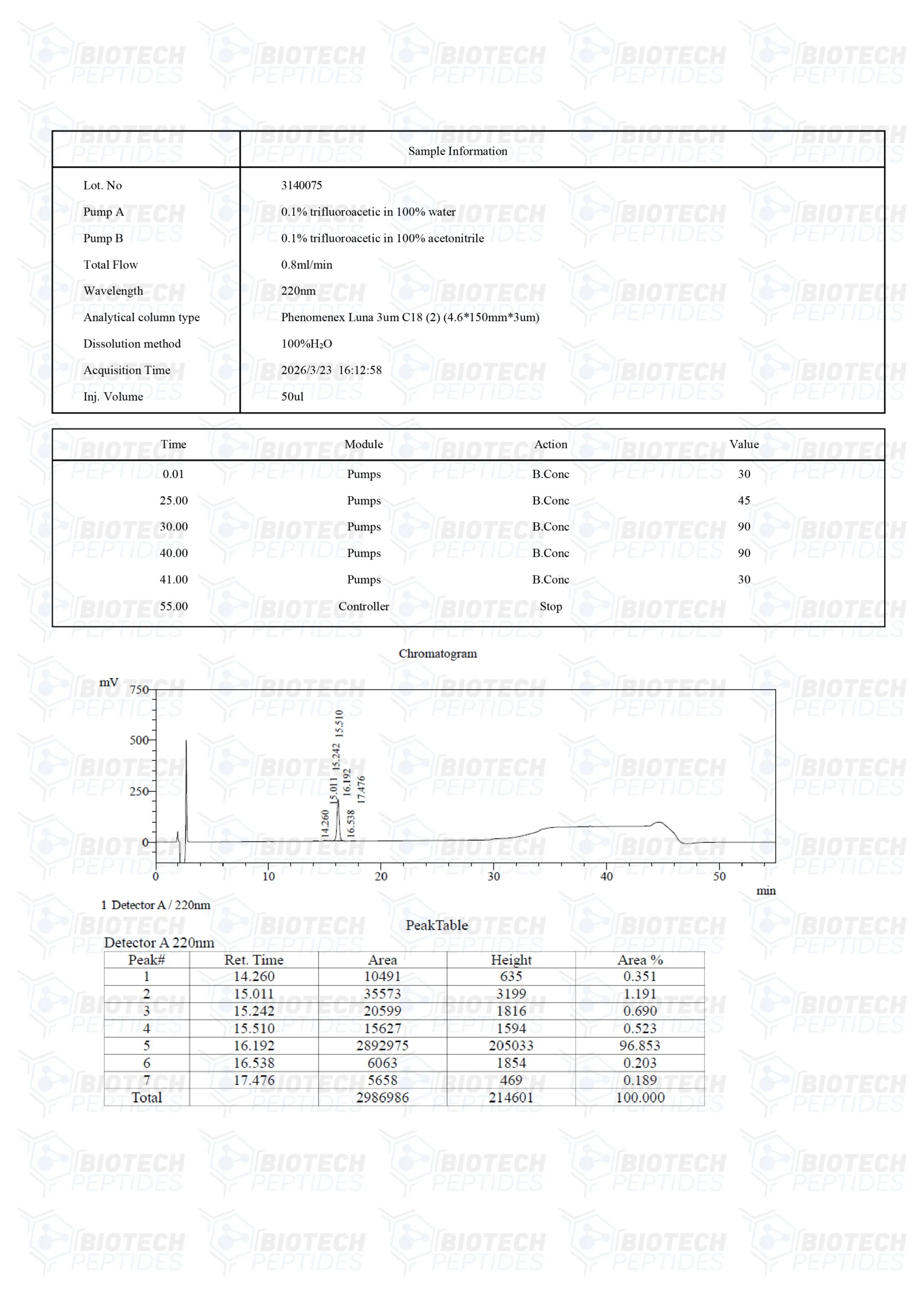
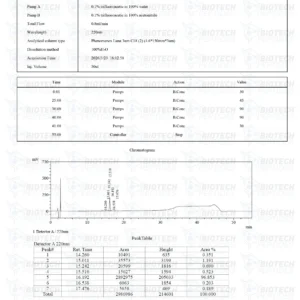
- Purity ≥98% via HPLC (High-Performance Liquid Chromatography)
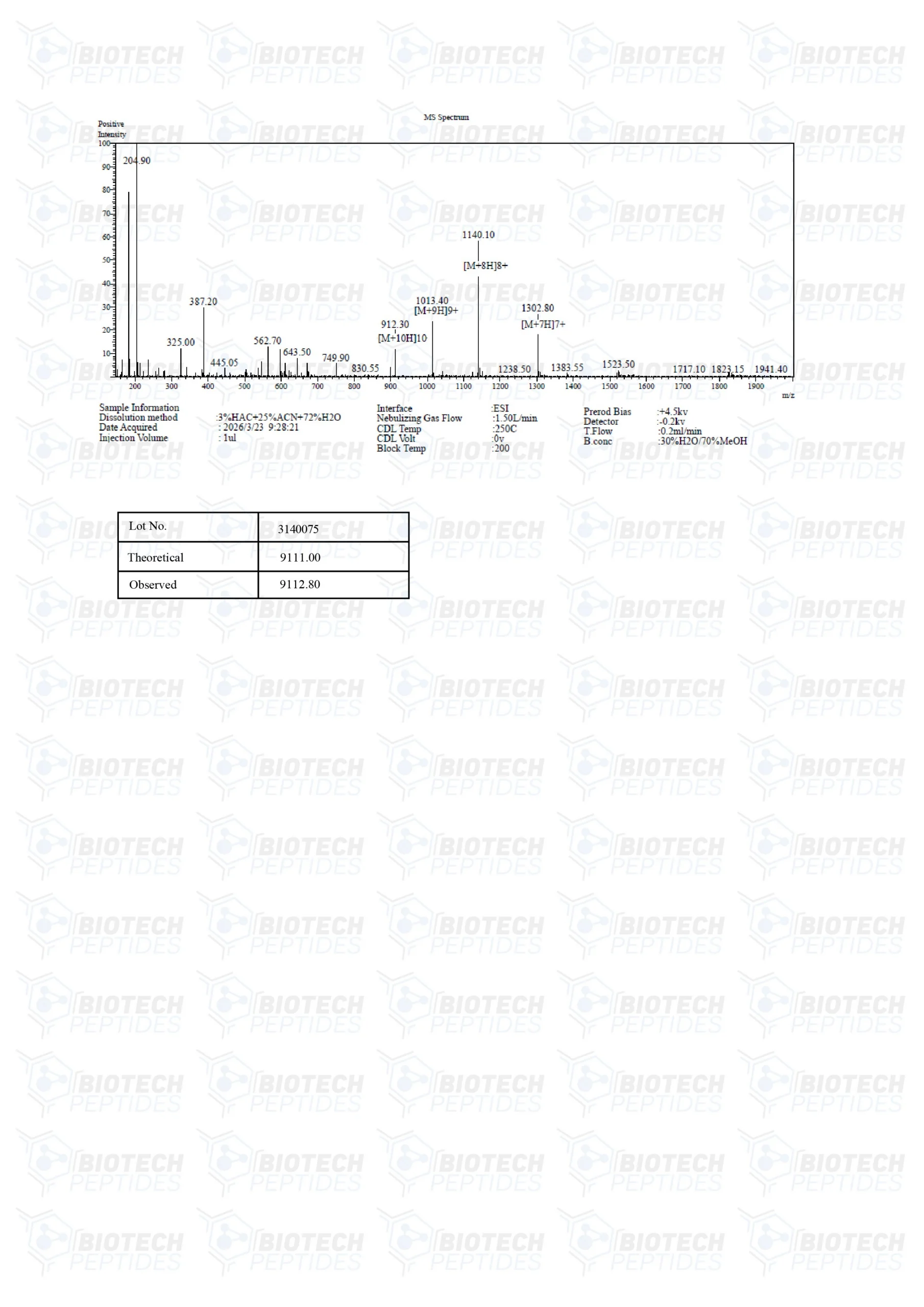
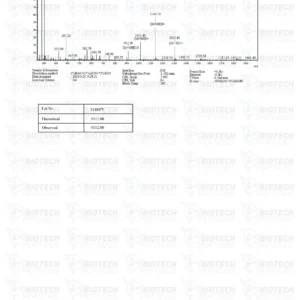
- Correct molecular weight confirmed by Mass Spectrometry (MS)
- Endotoxin levels below the USP threshold (typically <1 EU/mg for research applications)
- Sterility testing for injectable-grade products
Lyophilisation and Cold Chain Integrity
Receptor Grade Peptide is highly sensitive to heat and moisture. When deciding where to buy IGF-1 LR3, verify that the supplier lyophilises their product and ships with appropriate cold chain packaging (ice packs, insulated mailers) for longer transit times.
Transparent Synthesis and Regulatory Compliance
Look for suppliers who are transparent about their synthesis process, raw material sourcing, and compliance with relevant research chemical regulations in your jurisdiction. Reputable vendors who supply Receptor Grade peptide will list their synthesis methodology and will not make unsanctioned therapeutic claims about their products.
Red Flags to Avoid When Deciding Where peptides
Red Flags to Avoid When Deciding Where to Buy IGF-1 LR3
- No CoA available or CoA is outdated
- Prices significantly below market rate (indicative of lower purity or underdosed product)
- No clear storage and handling instructions
- Anonymous or unverifiable manufacturer information
- Claims of therapeutic or clinical efficacy not supported by regulatory approval
Storage and Stability of Receptor Grade IGF-1 LR3 Peptide
Proper storage is critical to maintaining the bioactivity of Receptor Grade Peptide:
Lyophilised (Dry Powder) Storage
- Long-term storage: −20°C (standard freezer)
- Short-term storage (≤3 months): 2–8°C (refrigerator)
- Stability: Up to 24 months when stored correctly at −20°C, away from light and moisture
Reconstituted Solution Storage
- After reconstitution: Store at 2–8°C
- Stability: 3–4 weeks refrigerated; do not re-freeze reconstituted solution
- Protect from light: Use amber vials or foil wrapping
Receptor Grade IGF-1 LR3 vs. Standard IGF-1 LR3: What’s the Difference?
| Feature | Standard IGF-1 LR3 | Receptor Grade IGF-1 LR3 Peptide |
|---|---|---|
| Purity | ≥95% | ≥98% |
| Endotoxin testing | May not be included | Included as standard |
| Bioactivity validation | Variable | Validated for receptor-binding assays |
| CoA standard | Basic HPLC | Full HPLC + MS + Endotoxin |
| Price point | Lower | Premium |
| Research suitability | General applications | Cell culture, receptor assays, advanced protocols |
For any research where result reproducibility, receptor binding precision, and cellular viability are critical, Receptor Grade IGF-1 LR3 Peptide is the clear superior choice.
Frequently Asked Questions About Receptor Grade IGF-1 LR3 Peptide
When to take IGF-1 LR3 for maximum effect?
The optimal time when to take IGF-1 LR3 in most hypertrophy-focused protocols is within 30–60 minutes post-exercise, when muscle blood flow and IGF-1 receptor sensitivity are at their peak.
How to dose IGF-1 LR3 for a first cycle?
For initial research cycles, a conservative approach of 20–40 mcg per day is recommended when learning how to dose it, allowing for assessment of individual response before advancing to higher dose protocols.
Where to inject IGF-1 LR3 for best absorption?
Subcutaneous injection in the abdominal region is widely regarded as the most consistent site where to inject IGF-1 LR3 for systemic absorption, offering easy access and reliable bioavailability.
Is Receptor Grade IGF-1 LR3 the same as pharmaceutical IGF-1?
No. Receptor Grade Peptide is a research peptide analogue, not a pharmaceutical product. It is sold exclusively for in vitro and in vivo research purposes and is not approved by any regulatory authority for human therapeutic use.
Conclusion: Why Receptor Grade IGF-1 LR3 Peptide Matters
Receptor Grade IGF-1 LR3 Peptide represents the gold standard in IGF-1 analogue research. Its extended half-life, superior purity, and validated bioactivity make it indispensable for researchers studying muscle physiology, cellular regeneration, metabolic function, and receptor pharmacology.
Whether you are working through questions of how to dose IGF-1 LR3, when to take IGF-1 LR3, where to inject IGF-1 LR3, or where to buy IGF-1 LR3, the information in this guide provides a comprehensive foundation for informed, precise research practices. Always source Receptor Grade IGF-1 LR3 from verified, transparent suppliers who provide independent third-party testing, and always handle peptides in compliance with your institution’s and jurisdiction’s applicable research regulations.
Disclaimer: The products mentioned are not intended for human or animal consumption. Research chemicals are intended solely for laboratory experimentation and/or in-vitro testing. Bodily introduction of any sort is strictly prohibited by law. All purchases are limited to licensed researchers and/or qualified professionals. All information shared in this article is for educational purposes only.
References
- Assefa B, Mahmoud AM, Pfeiffer AFH, Birkenfeld AL, Spranger J, Arafat AM. Insulin-Like Growth Factor (IGF) Binding Protein-2, Independently of IGF-1, Induces GLUT-4 Translocation and Glucose Uptake in 3T3-L1 Adipocytes. Oxid Med Cell Longev. 2017;2017:3035184. doi: 10.1155/2017/3035184. Epub 2017 Dec 20. PMID: 29422987; PMCID: PMC5750484.
- Tomas FM, Knowles SE, Owens PC, Chandler CS, Francis GL, Read LC, Ballard FJ. Insulin-like growth factor-I (IGF-I) and especially IGF-I variants are anabolic in dexamethasone-treated rats. Biochem J. 1992 Feb 15;282 ( Pt 1)(Pt 1):91-7. doi: 10.1042/bj2820091. PMID: 1371669; PMCID: PMC1130894.
- Li N, Yang Q, Walker RG, Thompson TB, Du M, Rodgers BD. Myostatin Attenuation In Vivo Reduces Adiposity, but Activates Adipogenesis. Endocrinology. 2016 Jan;157(1):282-91. doi: 10.1210/en.2015-1546. Epub 2015 Nov 18. PMID: 26580671; PMCID: PMC4701895.
- Bailes J, Soloviev M. Insulin-Like Growth Factor-1 (IGF-1) and Its Monitoring in Medical Diagnostic and in Sports. Biomolecules. 2021 Feb 4;11(2):217. doi: 10.3390/biom11020217. PMID: 33557137; PMCID: PMC7913862.
- AsghariHanjani N, Vafa M. The role of IGF-1 in obesity, cardiovascular disease, and cancer. Med J Islam Repub Iran. 2019 Jun 17;33:56. doi: 10.34171/mjiri.33.56. PMID: 31456980; PMCID: PMC6708115.
- Philippou A, Barton ER. Optimizing IGF-I for skeletal muscle therapeutics. Growth Horm IGF Res. 2014 Oct;24(5):157-63. doi: 10.1016/j.ghir.2014.06.003. Epub 2014 Jun 19. PMID: 25002025; PMCID: PMC4665094.
| Brand | Biotech Peptides |
|---|
Related products



Peptides