
PEG-MGF Peptide for Sale | 99% Pure, USA-Made | Peptide Shopa

$79.00
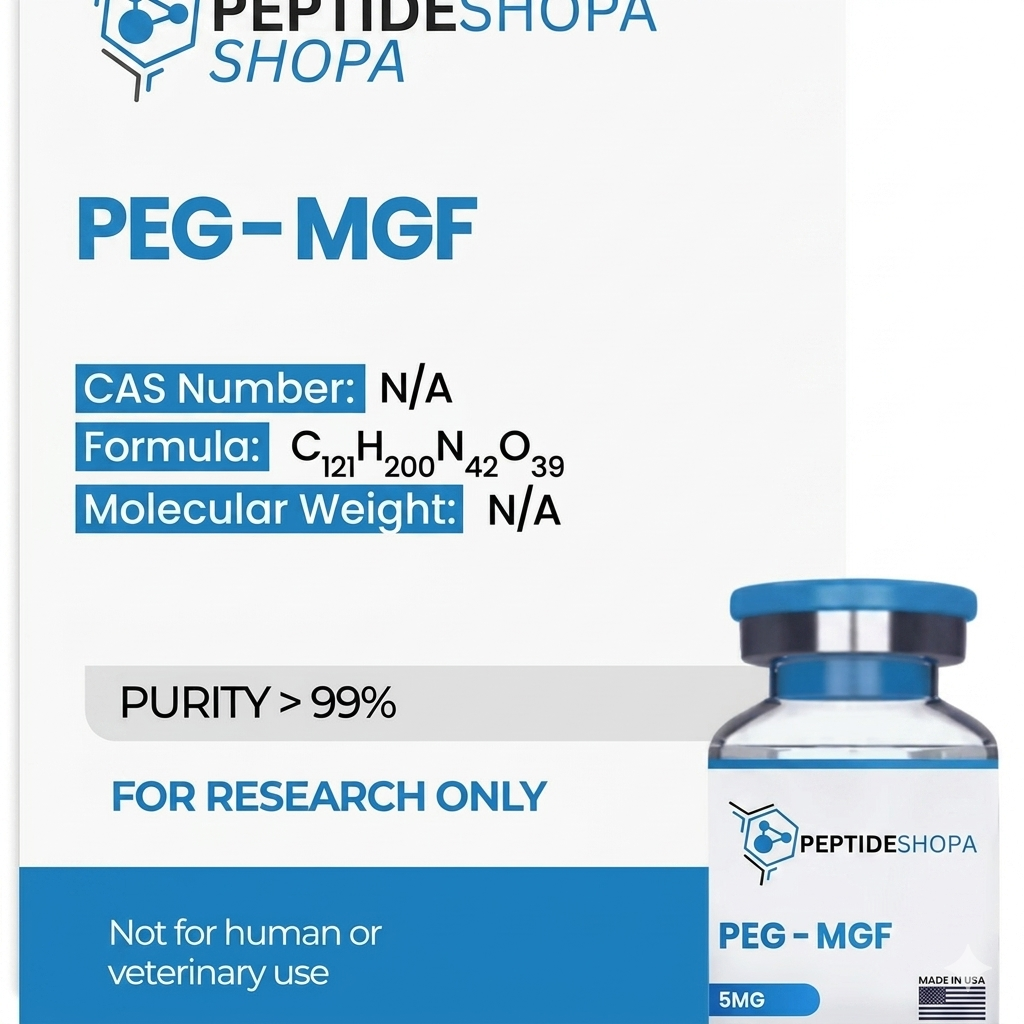
Buy PEG-MGF peptide from Peptide Shopa. USA-synthesized, batch-tested with COA available. 2mg & 6mg options for research use only. Fast, secure shipping.
PEG-MGF Peptide for Sale — Research Use Only
What Is PEG-MGF?
Quick specs:
| Property | Detail |
|---|---|
| Classification | IGF-1 splice variant analog (pegylated) |
| Available sizes | 2mg, 6mg (lyophilized) |
| Form | Lyophilized powder, USA-synthesized |
| Storage | Lyophilized vials should be stored in a freezer prior to reconstitution; refer to COA and product insert |
| Intended use | Laboratory and in-vitro/in-vivo research only |
| Human/veterinary use | Not approved — research use only |
Reported Research Findings on PEG-MGF
The following points summarize what’s been reported in published preclinical and in-vitro research literature. This information is provided for educational and research-planning purposes — it describes observations in experimental models, not effects in humans, and is not a claim that PEG-MGF treats, cures, or prevents any condition.
Researchers studying PEG-MGF in experimental models have reported:
- Satellite cell activation — In-vitro studies have observed PEG-MGF stimulating proliferation of muscle stem cells (satellite cells) and myoblasts, a mechanism linked to muscle tissue regeneration.
- Extended half-life — Pegylation has been reported to extend the compound’s circulating half-life to roughly 24–48+ hours in experimental models, compared to just minutes for unmodified MGF.
- Tissue repair pathways — Research models point to activity across multiple repair contexts, including muscle fiber regeneration, bone and cartilage healing, and protective effects studied in cardiac and neural tissue following injury models.
- Distinct mechanism from IGF-1 — While related, PEG-MGF and IGF-1 are studied as having different mechanisms of action, with some research models showing synergistic effects when both are studied together.
Reported observations in research settings have also included effects on insulin sensitivity and localized tissue responses following administration in animal models — findings that underscore why this compound remains restricted to qualified research settings rather than general use.
These findings come from cell-culture and animal-model research. None of this constitutes evidence of safety or efficacy in humans, and Peptide Shopa does not sell PEG-MGF for human consumption.
PEG-MGF vs. MGF: What’s the Difference?
| MGF (native) | PEG-MGF | |
|---|---|---|
| Half-life in research models | Minutes | ~24–48+ hours |
| Structure | Unmodified IGF-1Ec splice variant | PEG-modified, often with D-arginine substitution |
| Stability | Low — rapidly degraded | Significantly extended |
| Common research application | Short-window studies | Extended-exposure study designs |
Reconstitution & Storage Guidelines for Research Use
For laboratories preparing PEG-MGF for in-vitro or animal-model research, standard peptide-handling protocols apply:
- Prior to reconstitution: Store lyophilized vials in a freezer, protected from light.
- Reconstitution: Use bacteriostatic or sterile water appropriate for peptide research applications, added slowly down the side of the vial to avoid disrupting the lyophilized structure.
- After reconstitution: Store refrigerated and use within the timeframe indicated on the product documentation; do not freeze and thaw repeatedly.
- Handling: Always reference the Certificate of Analysis and product insert that ships with your order, and follow your institution’s standard laboratory safety protocols.
These guidelines describe laboratory sample preparation for research purposes only. They are not instructions for human or animal administration.
Why Researchers Choose Peptide Shopa
- USA Synthesized — Sourced through vetted U.S. manufacturing partners.
- Quality Tested — Batch testing supports purity and consistency from lot to lot.
- COA Available — Certificate of Analysis provided so researchers can independently verify product specs.
- Transparent Fulfillment — Clear documentation, responsive support, and secure ordering (bank transfer, Bitcoin, Apple Pay, PayPal)
Frequently Asked Questions
Is PEG-MGF legal to purchase? PEG-MGF is not approved by the FDA for human or veterinary use. It is legally sold in the U.S. for research purposes only, typically purchased by laboratories, research institutions, and qualified researchers. Peptide Shopa sells PEG-MGF strictly under this research-use designation.
What’s the difference between PEG-MGF 2mg and 6mg? The 2mg and 6mg designations refer to the total peptide content per lyophilized vial, not a usage instruction. Researchers select vial size based on the scale and design of their study.
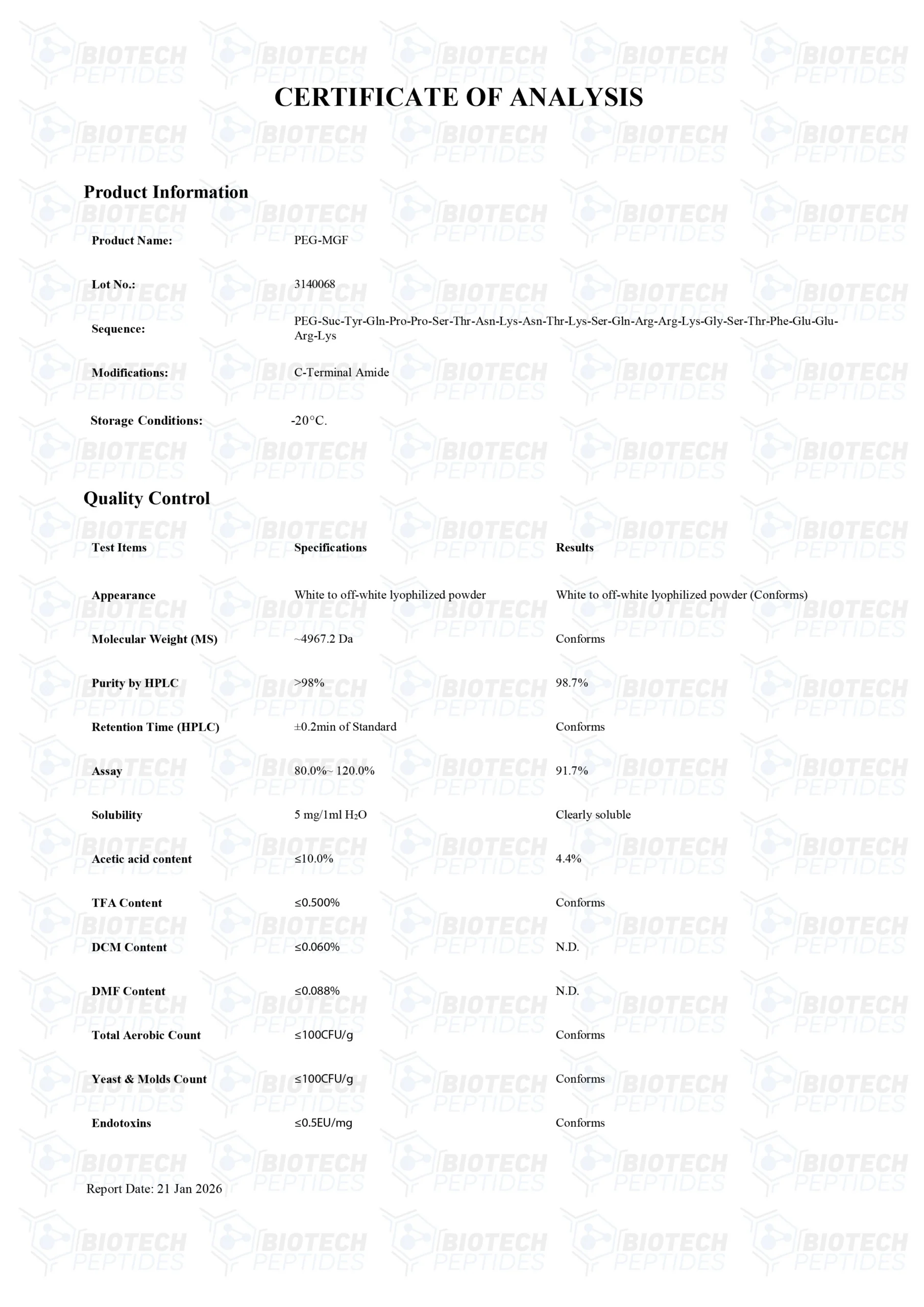
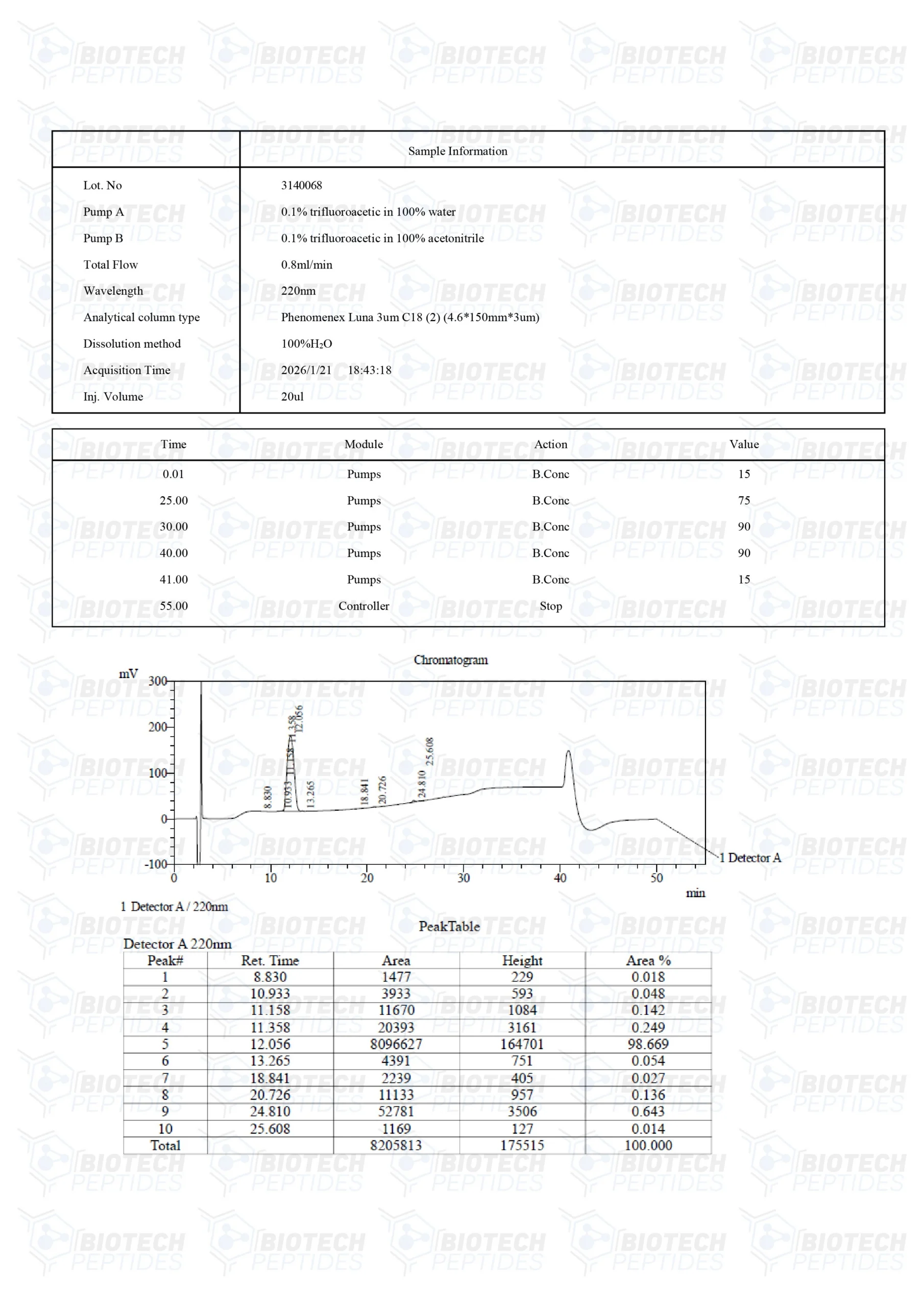
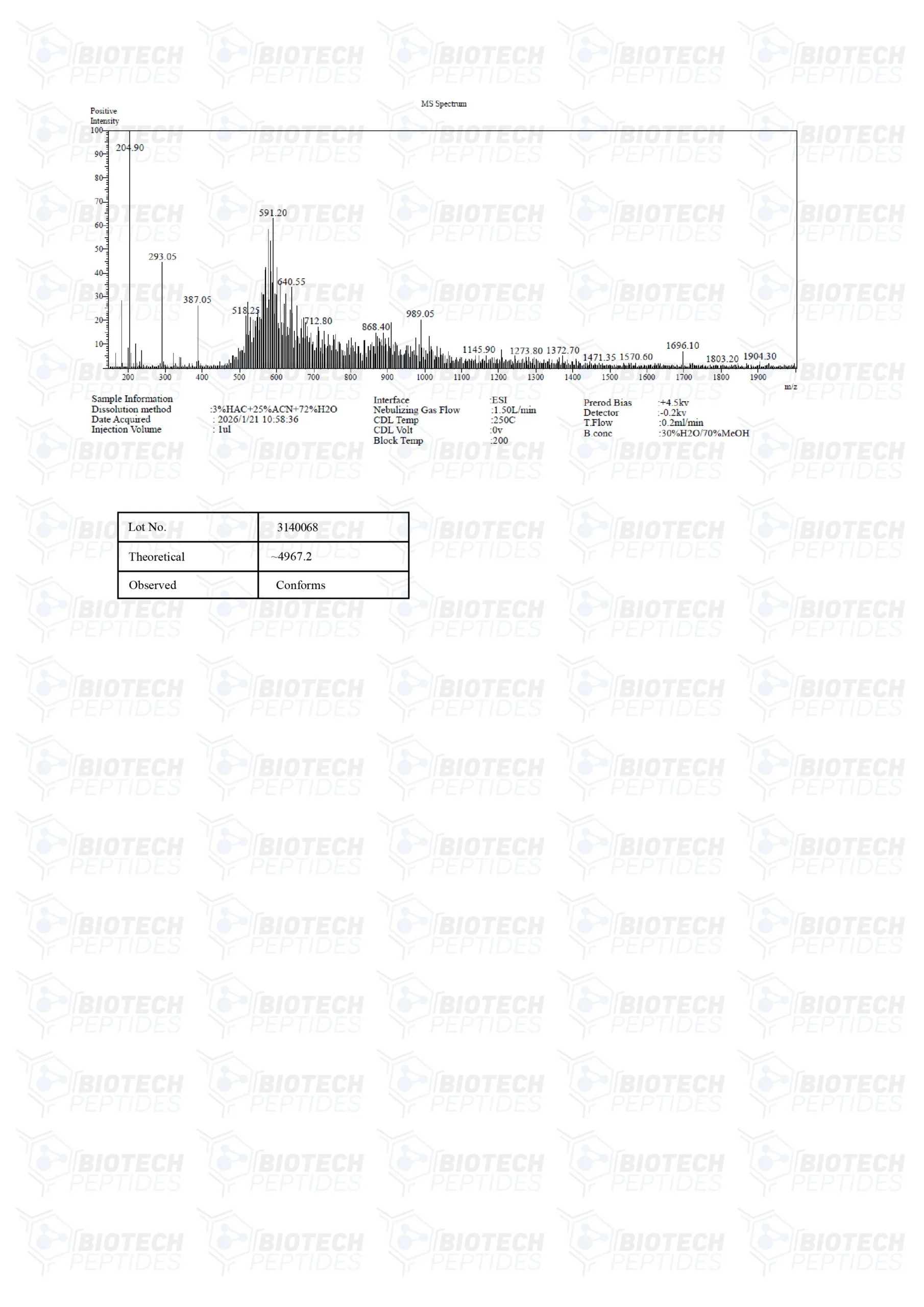
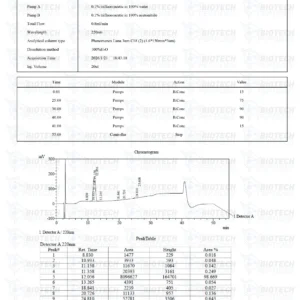
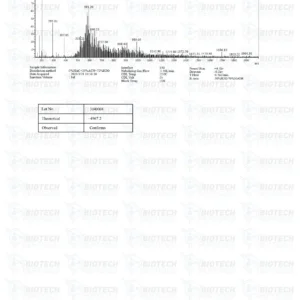
Does Peptide Shopa provide a Certificate of Analysis? Yes. COA documentation is available for batches so researchers can verify purity and identity before use in a study.
I’ve seen “PEG-MGF dosage” discussed on Reddit and bodybuilding forums — does Peptide Shopa provide usage instructions? No. Peptide Shopa does not provide, and cannot provide, instructions for administering PEG-MGF to humans or animals, because the compound is not approved for that use. Discussions on forums reflect individual, unverified accounts and are not a substitute for the peer-reviewed research literature referenced on this page. Researchers should consult primary scientific sources and their institution’s protocols.
How should PEG-MGF be stored? Lyophilized PEG-MGF should be kept frozen and protected from light prior to reconstitution. See the Reconstitution & Storage Guidelines section above and the product-specific COA for full handling details.
Research Use Only Disclaimer
All products offered by Peptide Shopa, including PEG-MGF, are intended strictly for laboratory and scientific research purposes only. Products are not intended for human consumption, veterinary use, diagnosis, treatment, cure, or prevention of any disease. Researchers are responsible for reviewing all product documentation, handling materials appropriately, and complying with applicable laws and regulations in their jurisdiction.
References
- Hill, M., & Goldspink, G. (2003). Expression and splicing of the insulin-like growth factor gene in rodent muscle. The Journal of Physiology, 549(2), 409–418.
- Matheny Jr, R. W., Nindl, B. C., & Adamo, M. L. (2010). Minireview: Mechano-growth factor. Endocrinology, 151(3), 865–875.
- Kandalla, P., Goldspink, G., Butler-Browne, G., & Mouly, V. (2011). Mechano Growth Factor E peptide (MGF-E) activates human muscle progenitor cells. Mechanisms of Ageing and Development, 132, 154–162.
| Brand | Biotech Peptides |
|---|
Related products